 Arden was diagnosed as a 1-year-old with neuroblastoma. Today, Arden is 8 and a childhood cancer survivor.
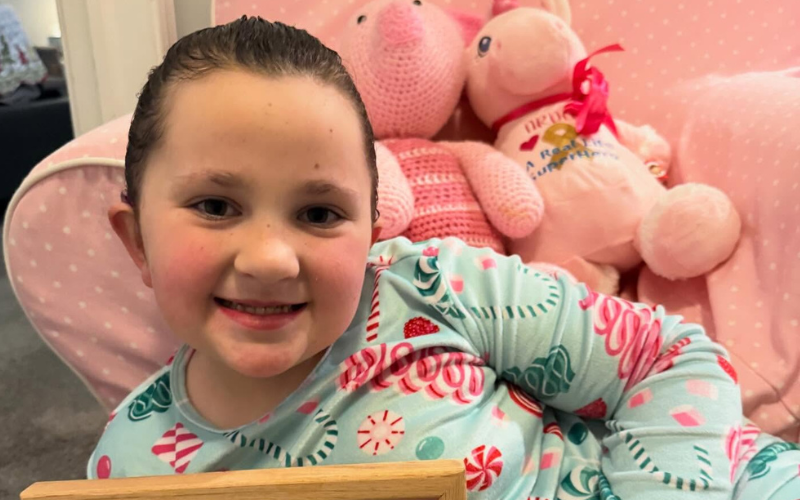
 At 19 years old, Breeone needed to make fast decisions about preserving her fertility before starting treatment for a rare tumor. (Photo credit: Tony Gray, for Flashes of Hope)
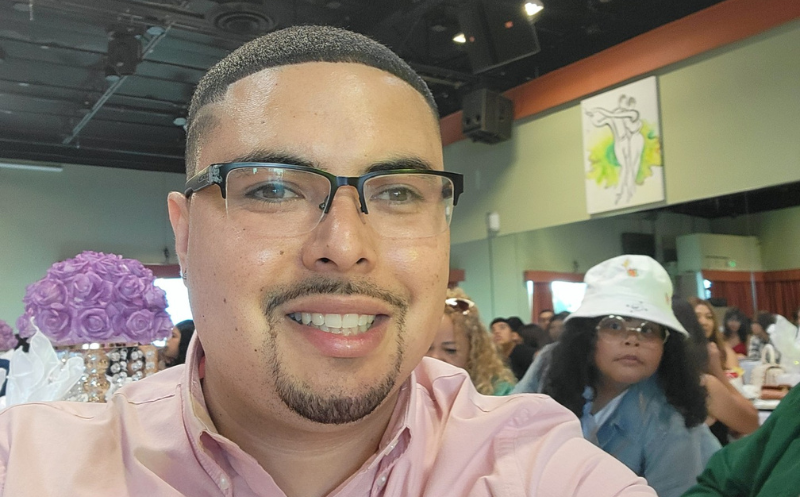 Chris was a senior in high school when he was diagnosed with a brain tumor. He is now an adult and a dad.
By: Trish Adkins
 In 1989, researchers interviewed 1,928 survivors of childhood cancer. These, then-adults, had been diagnosed with childhood cancer between 1945 and 1974. Nearly 20% of the survivors didn’t know what type of cancer they had; 14% said they didn’t even know they had cancer at all and instead recalled a vague, unnamed childhood malady.
Most of the interviewed were truly lucky to be alive. In the 1940s, childhood cancer was overwhelmingly fatal. In the 1960s, five-year survival rates increased to 28%, thanks to extremely high doses of chemotherapy, and then in the 1970s, multi-institutional pediatric oncology clinical trials entered the scene — and it was only up from there. Still the focus for research was on curing kids, less about the toxicity of treatments and even less about what happened when they were cured.
It was as if childhood cancer and its treatments were mysteries, even to the individuals who battled the disease.
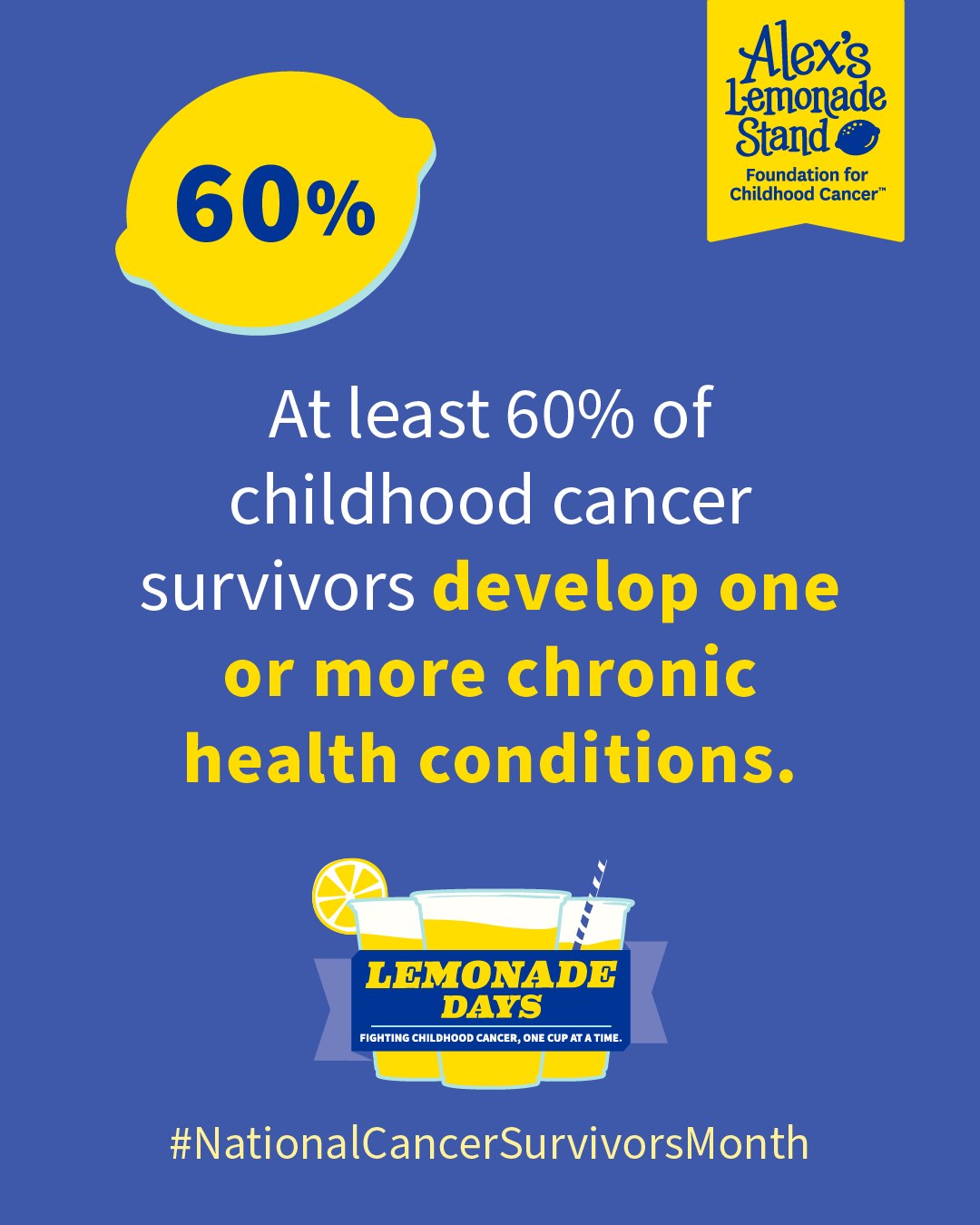
Today, there are an estimated 500,000 survivors of childhood cancer in the United States, an ever-growing group, as survival rates climb past 85% in America. It is the best possible news, proof that research works, but survivorship is not the end of the childhood cancer journey. At least 60% of childhood cancer survivors develop one or more chronic health conditions — things like cardiac dysfunction, growth delays, learning challenges, hearing loss, and more.
Read about 3-time survivor Chris Ramirez
The day treatment ends is the beginning of a new battle; a battle to understand the mysteries of cancer and treatment, overcome and manage long-term side effects, and to live life despite a diagnosis that is forever.
Childhood cancer happens to kids — with a lifetime ahead.
Kids are diagnosed with cancer while they are still developing into adults, which complicates treatment and leaves the door open to more serious long-term side effects. The average age of diagnosis with childhood cancer is 8 years old. For adult cancers, that age is 67.
Meet Arden, diagnosed at age 1
Children diagnosed in toddlerhood become survivors decades before the average adult with cancer is even diagnosed. This is why research that specifically tracks the impact of treatments on kids is so critical.
The study of survivorship isn’t new, but it’s picked up speed.
 In 1952, a radiologist named M.H. Wittenborg published his observations that radiation killed cancer; but when delivered to the full body or the spine, it would result in scoliosis, a painful and often debilitating curvature. In the 1960s the international Late Effects Study Group was established, which then inspired more efforts. In 1994, a landmark multi-institutional study was funded by the National Cancer Institutes and tracked a new cohort of 38,000 childhood cancer survivors and their siblings. This led to the development of risk calculator tools that clinicians can use to judge the potential of secondary malignancies, cardiomyopathy, infertility, and other side effects.
Today, the Children’s Oncology Group updates and maintains established survivorship guidelines that give a post-cancer roadmap for kids, parents, and clinicians. And more federally funded research is focusing on enhancing resources for survivors.
Even more important: researchers are turning their eye towards limiting dose toxicity of existing treatments, studying precision medicine, and investigating new drug therapies that may cure without a cost.
Treatments can come with a forever cost.
Dose toxicity is often tracked in clinical trials to determine just how much of a drug a child can receive and tolerate, while still making an impact on killing tumor cells. The priority is always to kill the cancer and save the child. For some types of leukemia, chemotherapy has been extremely effective, but high doses over a year or more of treatment can leave kids with a list of side effects — heart muscle and lung damage, growth hormone deficiencies, infertility, memory and cognition problems, hearing loss, and the risk of new cancers later in life.
Meet Breeonne, childhood cancer survivor and now mother
Radiation, which is particularly good at killing brain tumor cells, can also kill healthy cells and carries a similar list of potential side effects. The same goes for stem cell transplants and surgeries — every intervention carries the risk of life-long impact.
In addition to the physical, cancer diagnosis and treatment both carry the burden of a higher risk of depression, anxiety, and post-traumatic stress in survivors. That’s why care, follow-up, and research is so critical for kids.
 You can make a difference, every day, for kids with cancer by donating to Alex’s Lemonade Stand Foundation and helping fund cutting-edge research. Your support helps fund the future — where survivorship is truly the end of childhood cancer.
Looking for more survivorship resources? Alex's Lemonade Stand Foundation published Childhood Cancer Survivors: A Practical Guide to Your Future (fourth edition), which is available on our website and in Alex's Shop. The guide content is open-access and available free of charge. Childhood cancer families can request a free copy.