
The 2026 Childhood Cancer Report
From diagnosis to research: measuring momentum in the search for cures
How Geography Determines Survival
Even in high-income countries, like the United States, geography plays an enormous role in access to treatment. In rural and medically underserved areas, access to pediatric oncologists, specialty care centers, and research hospitals is often limited.
Travel, even just an hour by car, can present time and financial burdens. And for children with harder to treat cancers, clinical trial access might not even be available in a child’s state, let alone in their zip code.
When families live greater than an hour from a treatment center, they are 30% more likely to require an ambulance for a medical emergency.172 And while all families experience missed work (an average of 16 days during the first month of diagnosis),173 families in rural areas with a more than two-hour commute to a treatment center missed an average of eight more days in that first month.174
When families are experiencing pre-existing financial barriers, the impact of geography is compounded—placing more children at risk for poor outcomes.
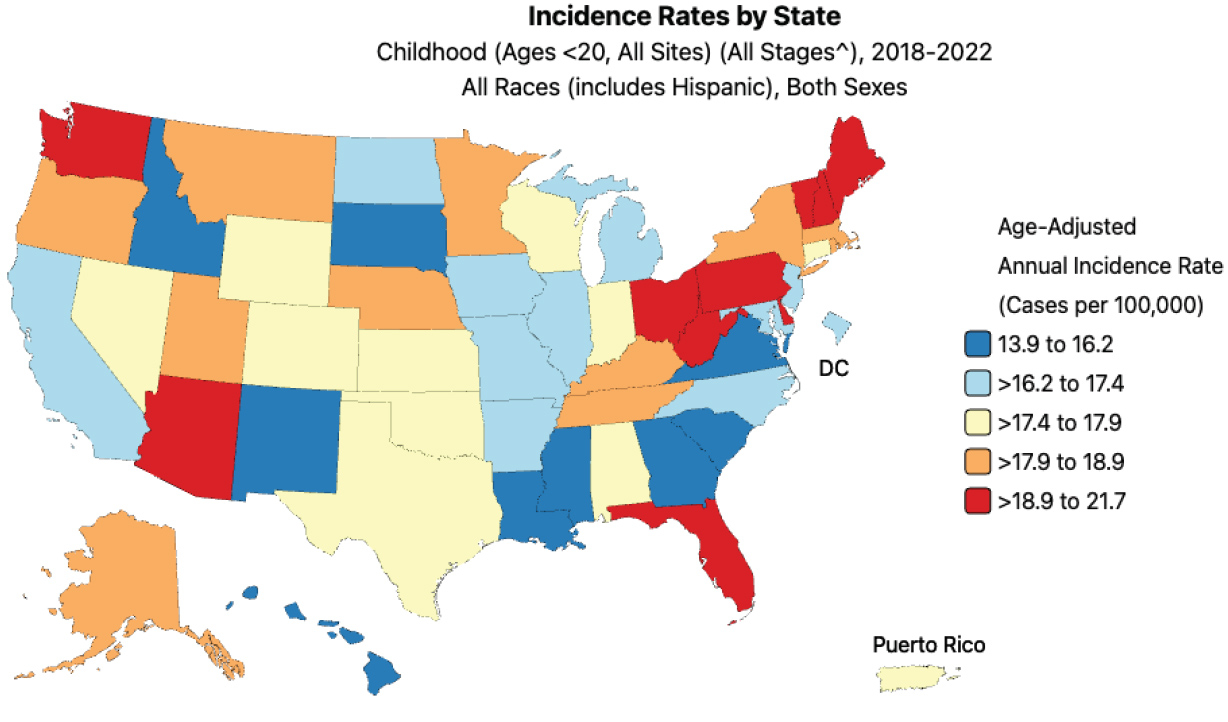
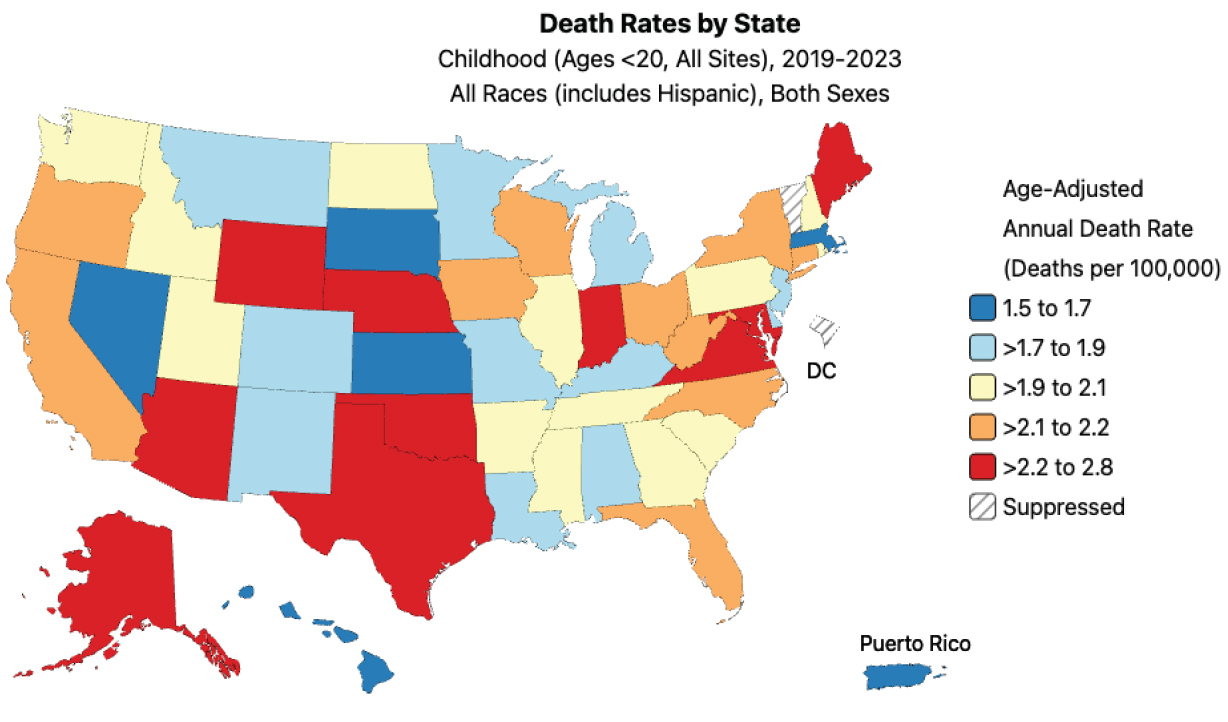
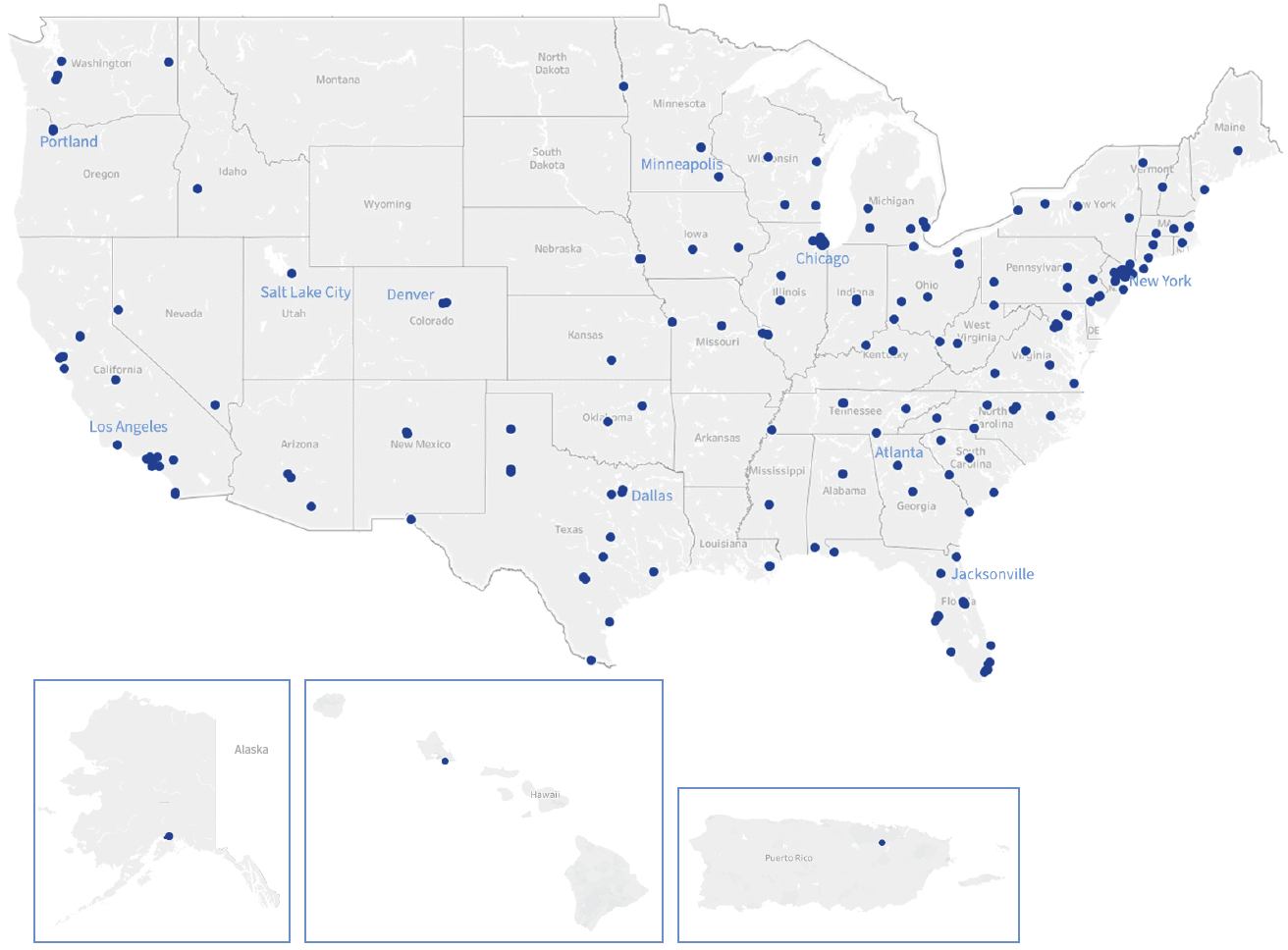
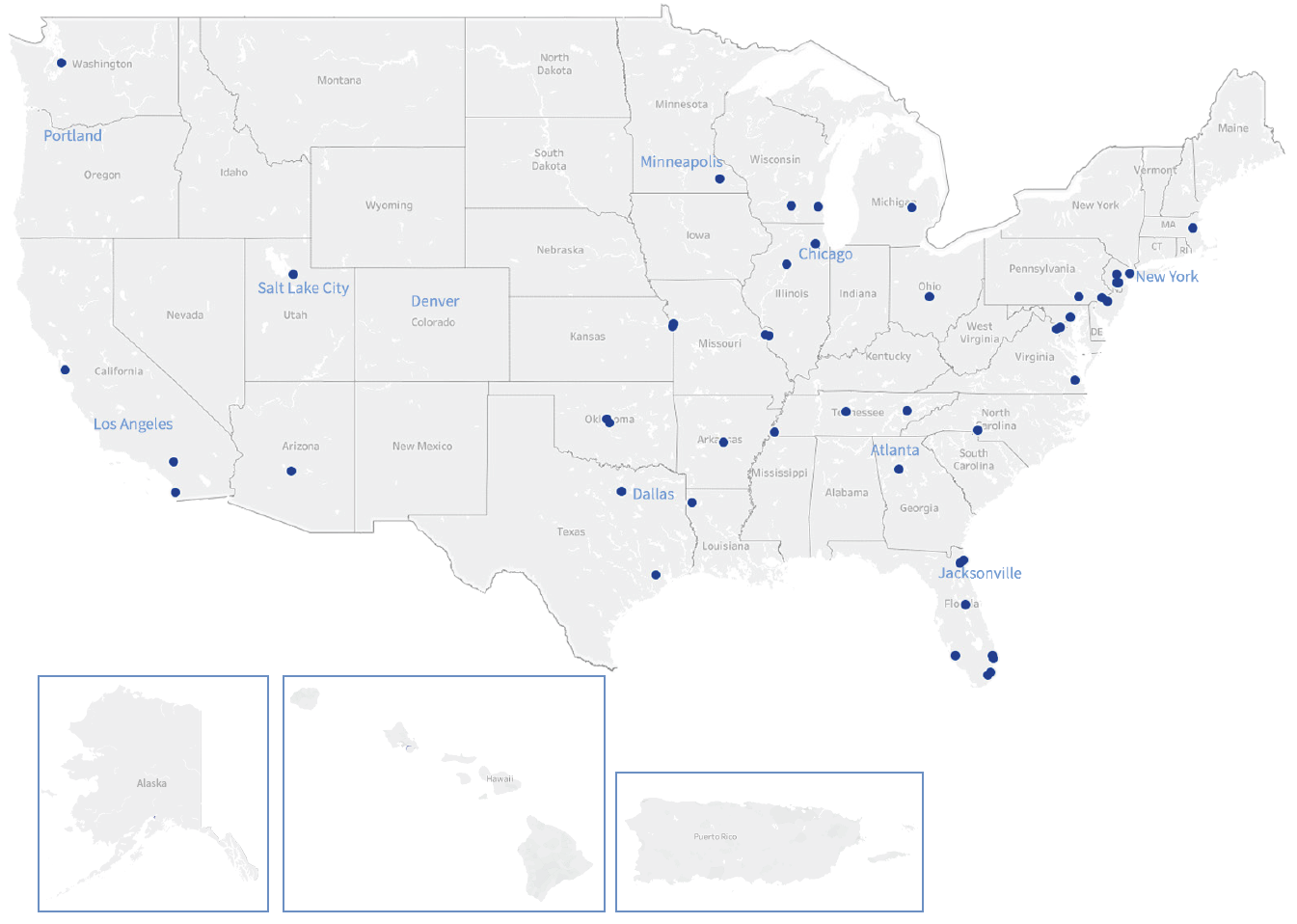
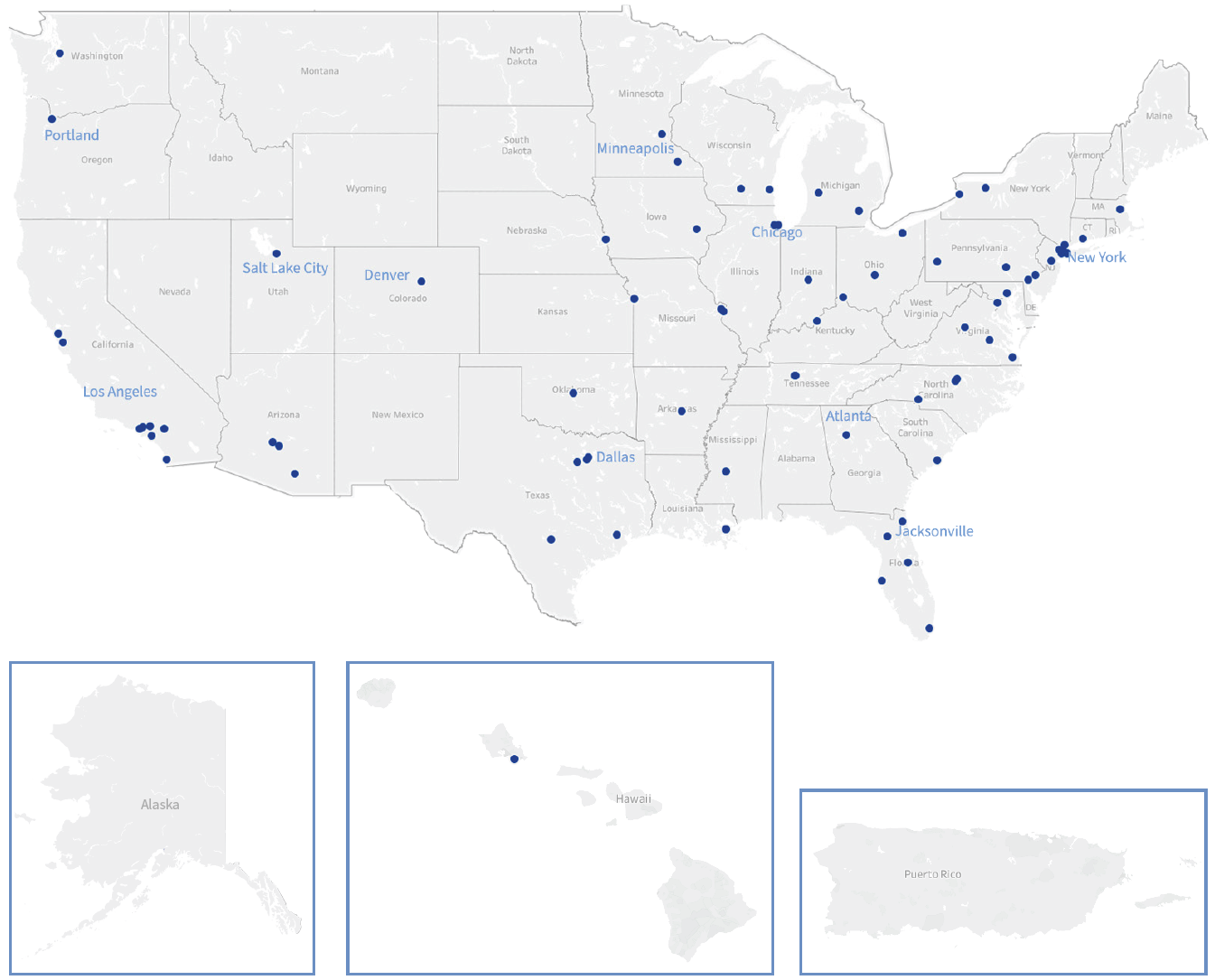
The maps ahead examine the childhood cancer incidence and death rates by state, as well as the locations of Children’s Oncology Group hospitals and centers for proton radiation and CAR T-cell therapy.
Childhood Cancer by State
Incidence rates by state are age-adjusted to allow fair comparisons between populations that have different age structures. For example, in Utah about 30% of the population is under 20, compared to Maine with one of the smallest proportions of children (just 20%). By adjusting incident rates for the age of the population, scientists can have a clear understanding of the prevalence of childhood cancer.
Death rates, tracked by the National Vital Statistics System, are also age adjusted. By comparing incidence rates and death rates, researchers can start to hypothesize what leads to specific outcomes.
Childhood Cancer Incident Rates by State, 2017-2022175
Childhood Cancer Deaths by State, 2018-2023176
The Reach—and Limits—of the COG Network
The Children’s Oncology Group (COG) brings together more than 220 hospitals and cancer centers around the world. It is the largest childhood cancer research network, and most children with cancer in the United States—more than 80% according to COG—are treated at member institutions.177 These hospitals collaborate on research, communicate on rare cases, and launch multisite clinical trials. By working together on clinical trials, these hospitals can offer children with cancer more treatment options, while helping researchers learn faster by studying new therapies across a larger group of patients.
But, geography still plays a role in access, with children in rural areas lacking access to a COG institution.
COG estimates that approximately 12,000 children enroll in one of the 100 COG trials each year.178 Beyond COG, pediatric researchers collaborate on research and clinical trials through private grant funding programs, the National Institutes of Health, and National Cancer Institute. One collaborative trial group called the Pediatric Brain Tumor Consortium lost its funding during the federal budget reallocation process in 2025.
Globally, researchers are continuing to push forward with improving access to treatment and trials. One project called Global HOPE (hematology-oncology pediatric excellence) has worked to deliver care to children in Africa through capacity building, training, and collaboration.179
Children’s Oncology Group Centers in the United States
Where Proton Radiation Is (and Isn’t)
Proton radiation, a type of targeted radiation, was first approved by the FDA in 1988. It was not until 2007 that it was integrated into the care of children with brain tumors.180 Today, it is used for additional types of pediatric cancer—neuroblastoma, sarcoma, and other solid cell tumors. The therapy is as effective as the more common photon radiation but comes with less side effects, thanks to highly precise beams that minimize damage to healthy tissue.
However, proton radiation is still out of reach for many children in the United States. Over 70% of the population lives more than 100 miles away from the nearest proton center.181 Those living in rural areas face the longest drive times and hurdles to access.
In 2007, there were three proton radiation centers in the United States providing care to children with brain tumors. In 2026, the number of proton radiation centers in the United States has increased to 48, with 8 more in development. Most of these centers provide therapy to children, but specific eligibility for treatment depends on age, diagnosis, the need for sedation, and other factors.182 The National Association for Proton Therapy183 maintains a database of proton centers in the United States as well as other resources.
Globally, there are just 100 proton centers, with access concentrated to high-income countries. The United States is the only country in North or South America with proton radiation therapy.
Proton Radiation Centers in the United States
CAR T-cell Therapy
Chimeric Antigen Receptor T-cell (CAR T-cell) therapy was approved by the FDA as a treatment for certain types of leukemia in 2017. It shows extraordinary promise in the treatment of blood cancers with ongoing studies for solid cell tumors. The treatment is customized for each child. A child’s T cells are harvested, then the T cells are genetically altered by adding a special protein that is programmed to kill cancer cells, and then the altered T cells are returned. They get to work and kill cancer.
While this is a promising new technology for the treatment of childhood cancer, access remains a critical issue. Only centers authorized to offer cellular therapy have CAR T-cell therapy available.184 In addition, because each of the treatments are personalized, patients must travel to treatment centers, often multiple times over the course of several months, creating additional barriers to access.185
CAR T-cell Therapy Centers in the United States

The Other 90%
90% of the world’s population resides in a low- and middle-income countries. In these countries, without robust scientific and public health infrastructure, survival rate data for children with cancer is grim: only 20-30% of those children will be alive five years after a diagnosis. These children lack access to timely diagnoses, essential medicines and surgeries, trained specialists, and curative treatment options.