The 2026 Childhood Cancer Report
From diagnosis to research: measuring momentum in the search for cures
Demographics of Childhood Cancer: Racial and Ethnic Disparities
Racial and Ethnic Disparities
In the United States, Black and Hispanic children are less likely to be diagnosed early, are more likely to experience treatment delays, and have lower survival rates than their white peers, even when diagnosed with the same cancer type. A study of Hispanic children with ALL showed that those children were 5-10% less likely to survive versus their non-Hispanic peers.186
Treatment differences can be attributed to a range of factors:
- Language barriers and lack of culturally competent care
- Structural racism within healthcare systems
- Lack of access to high-quality care and clinical trials
As researchers work to understand existing disparities, treatment centers are also looking at ways to increase access by making clinical trials available at other campuses away from the hospital center.
Implicit Bias
Implicit bias refers to the unconscious attitudes, stereotypes, or assumptions that healthcare providers may hold about certain groups of people. These biases operate automatically, without intentional awareness, and can subtly influence clinical decisions, communication, and the quality of care.
Incidence versus Survival
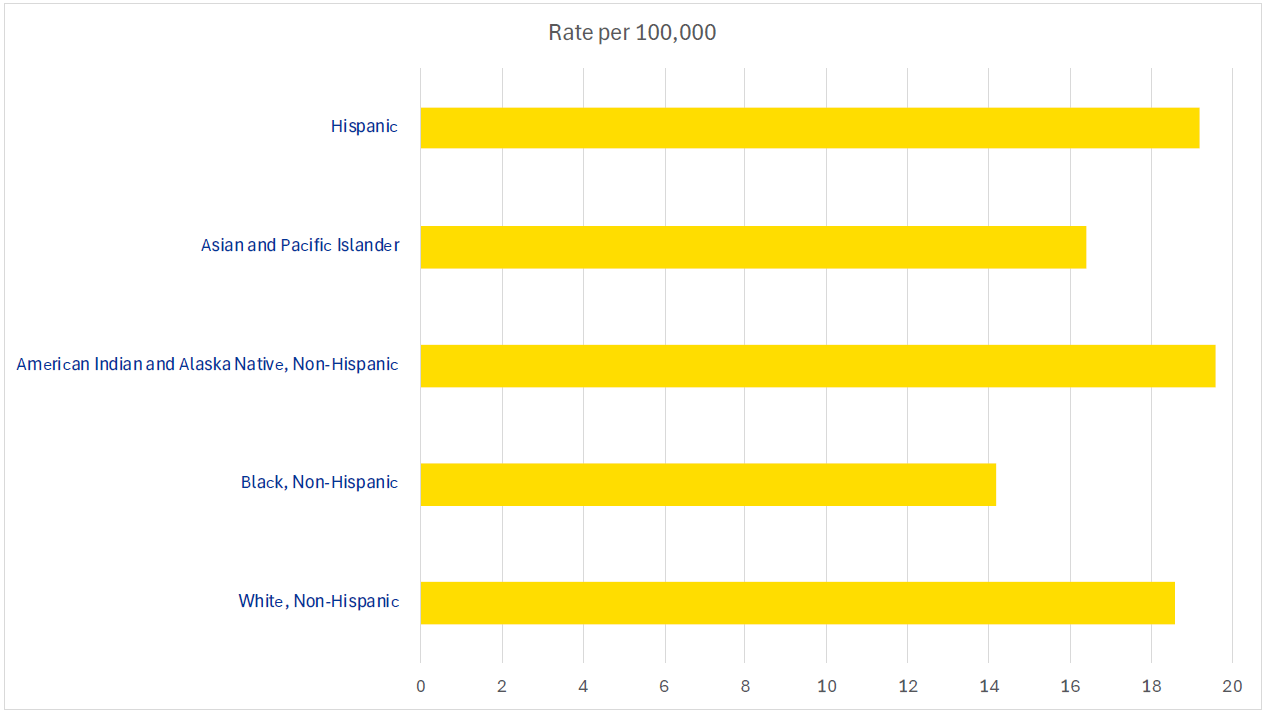
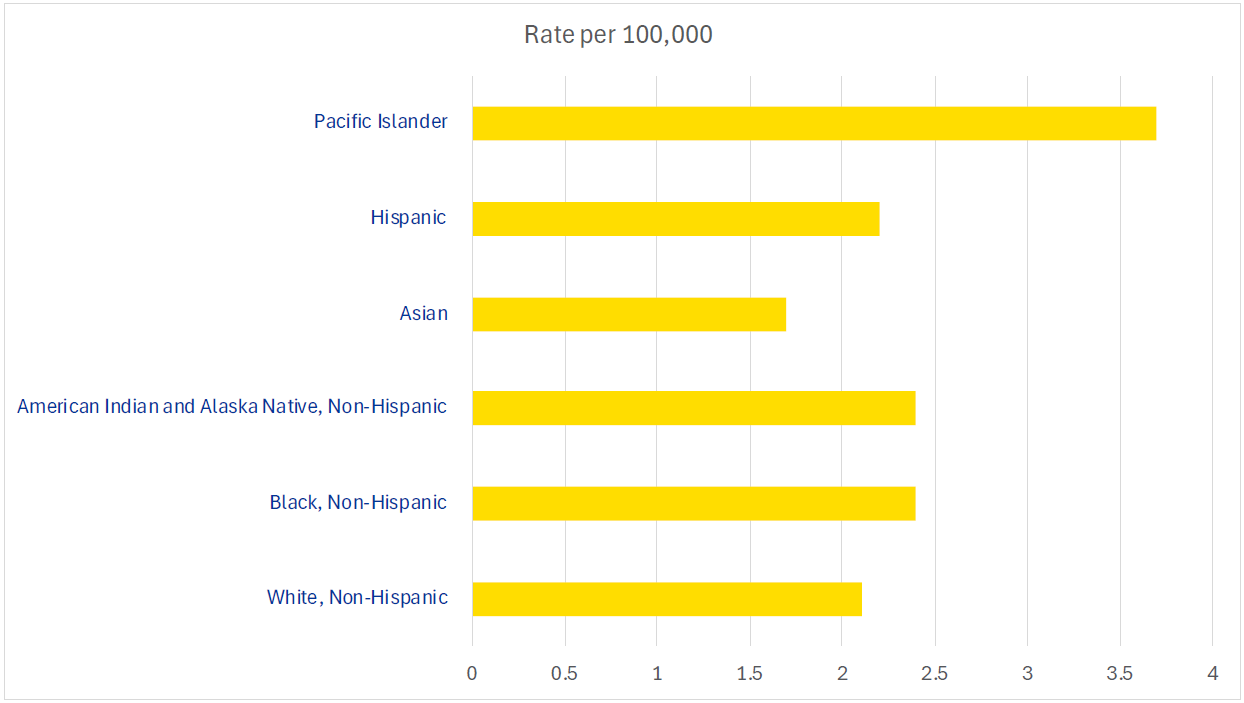
Survival rates have improved significantly for children with cancer. However, disparities exist. The charts on the next page show the incidence and mortality rates of childhood cancer by race. For example, non-Hispanic Black children have a lower incidence rate of childhood cancer overall but a higher mortality rate.
Childhood Cancer Incidence by Race,
United States, 2019-2023189
Childhood Cancer Mortality by Race,
United States, 2020-2024190

Race and Clinical Trials
One study found that Hispanic children have a significantly higher incidence rate of leukemia and lymphoma but a poorer 5-year survival rate versus their non-Hispanic white counter parts. This in part might be attributable to lower clinical trial enrollment rates. Another study showed that only 2% of 10,000 clinical trial enrollees were minorities.187,188