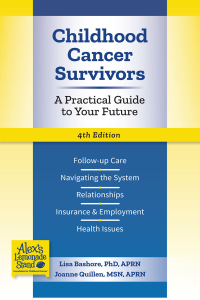
Childhood Cancer Survivors
Chapter 8. Fatigue
LISA BASHORE, PhD, APRN, CPNP-PC, CPON
The patient is cured when he can again do the things he loves to do.
— Stanley A. Herrings
FATIGUE (EXCESS TIREDNESS) CAN be a side-effect among children and adolescents during active cancer treatment. For a small percentage of survivors, the profound tiredness lasts long after treatment ends. People with fatigue have little energy and feel emotionally, physically, and mentally exhausted. Fatigue may have an identifiable physical cause or may remain an elusive, yet life-altering late-effect of treatment. This chapter describes fatigue, the causes, the treatment, and the voices of survivors who live with and cope with chronic fatigue.
I don’t deal with overwhelming fatigue, but I do certainly enjoy the occasional nap. As long as I get enough sleep the night before, I am typically good for the day unless I am incredibly active. If I stay up late or have to wake up early for a meeting or a workout, I am much more tired towards the middle of the day. I can typically fix it with a coffee, but if it persists, a nice nap never hurts.
My biggest struggle with fatigue is difficulty remembering or concentrating. Whenever I am really tired, my brain feels like mush. Combined with possible memory side-effects of my treatment, this is not the best recipe for success. Thankfully, this does not happen often and taking a five-minute break to recenter my mind helps significantly
I experience fatigue every day. I am fighting it every day. I just push past it. I don’t focus on it until my body forces me to. That happens around once every three weeks. I am currently dealing with an autoimmune diagnosis which came from either the initial cancer or the treatment I received. I also have only one lung, so that contributes to the fatigue too. My right arm gets really tired, but the steroids are doing what they are supposed to do to help with it. We just do not know how long I will need to take them.
Table of Contents
All Guides- Acknowledgements
- Contributors
- Foreword
- Preface
- 1. Survivorship
- 2. Emotions
- 3. Relationships
- 4. Navigating The System
- 5. Staying Healthy
- 6. Genetic Testing And Childhood Cancer
- 7. Diseases
- 8. Fatigue
- 9. Brain And Nerves
- 10. Hormone-Producing Glands
- 11. Eyes And Ears
- 12. Head And Neck
- 13. Heart And Blood Vessels
- 14. Lungs
- 15. Kidneys, Bladder, And Genitals
- 16. Liver, Stomach, And Intestines
- 17. Immune System
- 18. Muscles And Bones
- 19. Skin, Breasts, And Hair
- 20. Subsequent Malignancies
- About The Editors