By: Chris Ramirez
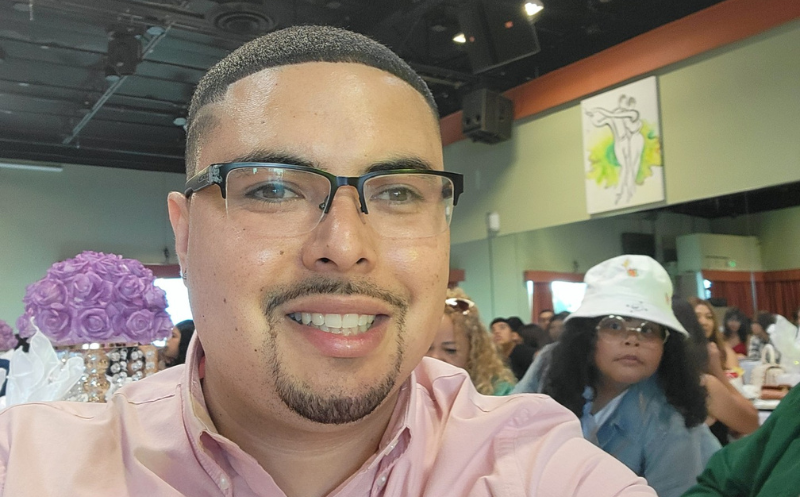
My name is Chris Ramirez, and I’m a three-time cancer survivor. When I was 17, I was diagnosed with a type of brain cancer called glioblastoma and was given less than two months to live. Today, I’m 34 and healthy.
It all began in 2009 during the second semester of my senior year of high school when I started getting severe headaches. At the time, I was a star baseball player, captain of the team, with college scouts looking at me to go pro. It wasn’t until I had a stroke that my life turned upside down and I received a diagnosis.
I began treatment at UCSF with an amazing nurse pediatrician, Shannon Raber. Still, I was determined to stay in the game and showed up to baseball camp with the Los Angeles Dodgers despite throwing up as I started treatment. I beat cancer – three times, actually. In 2017, Dr. Allen Efron of Kaiser Permanente Redwood City Medical Center performed a life-saving brain operation, and by the grace of God, I am still here and healthy.
I couldn’t have done it without the support of my mom, my sister, my pops, and the Bright family. My mom was a single mother, and through it all she took care of me, kept me happy, and was always there with a plate of 5-star food. My sister remained so strong at just 12 years old. I had Bertha Fajardo acting as my second mother. Former general manager of the L.A. Dodgers, Ned Colletti and San Francisco Giants CEO, Larry Baer, were in my corner, and even David Benzer from NBC TV was cheering me on. My pops, Dan Bright, was the first to put a baseball in my hand – he taught me everything I knew.
Now, it’s 2026 and I continue to share my story to help inspire others. To me, childhood cancer awareness means bringing hope and love to anyone facing a difficult diagnosis.
About Chris Ramirez
Chris was diagnosed with glioblastoma at 17 years old after severe headaches and a stroke sent him to the hospital unable to feel the left side of his body. Scans revealed a mass in his brain, and within days, his life had changed. Chris underwent a shunt placement, chemotherapy and surgery at UCSF. Despite many hardships, the treatment worked. Since then, Chris has survived this cancer three times. Today, he is 34 years old and a father. His experiences with childhood cancer have only made Chris more determined to use his story to let others know that there is someone out there willing to fight for them.
About Childhood Cancer
In 2024, an estimated 14,000 children were diagnosed with cancer in the United States. While cancer names and types like leukemia or lymphoma may share a name with adult cancers, childhood cancers are different and often require different treatments. The average age at diagnosis for a child with cancer is 10 years old (for an adult it is 66 years old). Children who have had treatment and survive childhood cancer are 95% more likely than their peers without a past cancer diagnosis to experience a significant health side effect by the time they are 45 years old. Learn more about childhood cancer and the work Alex’s Lemonade Stand Foundation is doing to make a difference here.
About Glioblastoma
For children diagnosed with glioblastoma, current treatment options are limited in effectiveness and availability. After relapse, the disease tends to progress extremely quickly. “Often there isn’t much time for a new or experimental therapy to make an impact. So if a new drug shows promising results in early-phase clinical trials, it would be a good strategy to move it to up-front therapy early so that kids are less sick and have more of a chance to respond,” said Theodore Johnson, MD/PhD, an ALSF-funded researcher from Georgia Health Sciences University Research Institute in Augusta. Dr. Johnson is currently studying the promise of immunotherapy for children with relapsed brain tumors, including glioblastoma in a clinical trial for a specialized immunotherapy, used in combination with chemotherapy and radiation. Immunotherapy refers to a range of treatments that work to harness the body’s immune system to attack tumor cells. Share brain tumor facts with our social media toolkit, available here. Learn more about the ALSF-funded projects that study glioblastoma. And donate, today, to make more research possible now and into the future by joining our One Cup At a Time Club.
Updated: May 1, 2026
First Published: