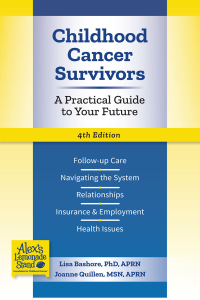
Childhood Cancer Survivors
Preface
In 2022, there were an estimated 18.1 million cancer survivors in the United States. As of 2020 nearly 496,000 cancer survivors were first diagnosed when they were under age 20 (Armstrong G). The increasing large numbers of young adult childhood cancer survivors are a legacy to the hard work of physicians, advance practice nurses, nurses, other members of the healthcare team, and the scientific community of researchers who continue to develop new methods of cancer treatment and medications to minimize the late effects of treatment. Because of these advances in childhood cancer treatment over the past several decades, current statistics show that 85% of children treated will survive more than 5 years, and many are surviving well into adulthood. Survival rates among children with cancer vary widely depending on the type of cancer and other factors. (www.cancer.org). To best advocate for themselves, survivors must have specific knowledge of their cancer history and treatments to be informed and prepared for any possible late effects.
This new 4th edition does not minimize the potential reality of late effects and presents updated information/findings from the past 12 years, both what is currently known and that which remains unknown; for example, thousands of young women treated with chest radiation may not realize they are at increased risk for breast cancer over the course of their lifetime. Childhood cancer survivors who received certain chemotherapy drugs (anthracyclines) are at higher risk for heart problems over the course of their lifetime.
This edition presents the most recent medical and psychosocial information from updated literature/studies, most importantly, the updated Children’s Oncology Group (COG) October 2023, Version 6.0 Long Term Follow-up Guidelines. This important resource is referenced throughout providing Healthlinks to important topics.
The ultimate goal of the book is to clearly present the latest medical information about late effects and to empower survivors to advocate for themselves in their healthcare. Being informed about potential late effects and problems, survivors and families are better able to cope with and treat them early if they do develop. We hope survivors with potential late effects will share this book with their healthcare provider to address all their concerns and make a plan for their future care.
Survivors’ personal stories: Survivorship is defined as “the point in life when cancer treatment ends and the journey into the future begins.” Every survivor’s journey is unique but much can be learned from the shared experiences of other survivors. Survivor stories in this fourth edition are new and reflect the younger generation of survivors’ perspectives amid the changing landscape of the past decade. Survivors and families share their personal emotions, fears, thoughts, and victories. Sharing these real experiences and concerns puts a human face to the scientific information and validates this information. These very personal stories provide reassurance, information and a sense of community for all survivors and helps survivors feel less isolated. You may identify with some of these stories, others you may not, but it should be comforting to know that you share many of the same concerns and struggles as others in the community of survivors.
New authors/chapter: Several chapters have been updated by new authors who are experts in their fields: Chapter 2, by Dr. Matthew Hocking; Chapter 3, Relationships by Dr. Virginia Cosgrove. Chapter 4, Navigating the System includes a new coauthor, Kacey Massa, LCSW who provided updated information relating to laws, regulations, and government policies protecting the rights of survivors in healthcare and the work place. Chapter 6, Genetic Testing and Childhood Cancer is a totally new chapter written by Dr. Liron D. Grossmann and Dr. John M. Maris, who explain genetic testing and biomarkers, what to expect in the process of genetic testing, and why it is so important for some survivors to undergo testing.
New glossary: A new glossary of terms appears at the end of each chapter to help readers understand medical/scientific terms. Terms throughout the text are highlighted in italics. New Genetic Testing (Chapter 6) includes many terms that may be unfamiliar to survivors including genetic testing, biomarkers and the use of precision medicine which are changing the methods and protocols for treating some cancers. The term subsequent malignancy has replaced second cancer as the title of Chapter 20, although these terms are used interchangeably. Hematopoietic stem cell transplant or stem cell transplant replaces bone marrow transplant to include all types of transplants (e.g., bone marrow, cord blood, or peripheral blood).
Survivorship programs/clinics: Childhood survivorship program/clinic is defined as “a program designed to provide long-term, multidisciplinary follow-up of successfully treated patients by a team of healthcare professionals (a nurse coordinator, pediatric oncologist, pediatric nurse practitioner, and sometimes a social worker, and psychologist) who are familiar with the potential late effects of treatment for childhood cancer and can help survivors monitor potential late effects and refer to specialists whenever needed (cardiologists, endocrinologists, orthopedic surgeons, and others). More childhood survivorship clinics are opening in regions of the United States at cancer treatment centers, but many survivors living in some areas may not live close to a childhood survivorship program and need to travel to them. Chapter 4 Navigating the System details how to locate a childhood survivorship program clinic near you.
As long-time oncology nurses dedicated to the care of childhood cancer survivors, we are honored for this opportunity to update the book. We are grateful to Alex’s Lemonade Stand Foundation for producing another edition as this book continues to alter lives and give hope to childhood cancer survivors and their families and the healthcare professionals who care for them.
Lisa Bashore and Joanne Quillen
How the book is organized
This book organization follows the survivorship journey from immediately after treatment ends.
Chapter 1, Survivorship describes the many emotions survivors and families feel and how they choose to celebrate being cured and the end of treatment and the transition from their cancer care team to a childhood survivorship clinic/program or post-treatment survivorship healthcare.
Chapters 2 Emotions and Ch 3 Relationships address the varied emotions of survivors as they transition through childhood, adolescence and adulthood after treatment and how this greatly effects survivors’ relationships with parents, siblings, friends, and spouses.
Chapter 4, Navigating the System presents extremely helpful information about how late effects and a cancer history impact returning to school, going to college, finding a job, employment and workplace issues, and obtaining insurance. Resource lists are updated with current websites to access government policies, laws and agencies that protect cancer survivors (especially those with disabilities).
Chapter 5 Staying Healthy gives the information regarding risk factors some survivors may have for developing other conditions or diseases as a result of their cancer treatment and steps survivors can take to develop the best possible future health.
Chapter 6, Genetic Testing is a new chapter and explains the importance of genetic testing, cancer biomarkers, and precision medicine which are shaping cancer treatment and helping to develop new chemotherapy and radiation techniques and protocols. The chapter also outlines why childhood cancer survivors might want or need genetic testing, how to locate a genetic counselor, and what to expect in this process.
Chapter 7 Diseases is an overview of types of childhood cancer and their respective treatment options and potential late effects and screenings for each.
Chapter 8, Fatigue, provides an update on this nagging and challenging aspect of childhood cancer treatment and potential treatment options.
Chapters 9 to 19 address the various body organ systems and the late effects which can develop in each as a result of cancer treatment. Each chapter is organized under subheadings of organ damage, signs and symptoms, screening recommendations, and medical management.
Chapter 20, Subsequent malignancies (second cancers) presents important information regarding risk factors for survivors for developing a subsequent malignancy (second cancer) and lifestyle and health habits that can minimize your risk.
Best ways to use this book
Survivors’ information needs vary according to coping styles and where they are on their survivorship journey. Survivors who just ended treatment might want to read about others who coped with returning to school after cancer treatment rather than reading about potential late effects. A college student survivor who no longer routinely makes visits to their doctor might want to read Chapter 5 about healthy lifestyle habits and how to find good survivor follow-up care. Another might want to locate a childhood survivorship program/clinic or other healthcare provider who will work collaborative with them to provide the best comprehensive healthcare (Chapter 4). Long-term survivors who are 30 years post end-of-therapy and confronting increasing physical ailments may be interested in learning the late effects of their cancer treatment received as a child.
Suggestions for positive ways to read/ use this book:
Consider reading only sections that apply to your present or immediate future. Certain chapters/sections will not apply to you, for example, for a young adult who is dating, reading about when/how to disclose their cancer history makes sense, but not relevant for the parent of a preschooler who just finished cancer treatment.
Recognize that your need for information may change. Every survivor has a different need for information, depending on their stage of life -- whether in school, going off to college, entering the workforce, or getting married and starting a family. Survivors range from infants to baby boomers. Late effects of treatment may occur at any stage, never occur, or may become debilitating. Survivors need to be educated about late effects and how to get the healthcare they need if late effects develop.
Devise a strategy to screen for potential late effects and develop a plan to stay healthy and fit. Realize that only a fraction of the late effects described in the book apply to you. This book contains information that pertains to a large group of people, but every survivor is different: some have no late effects, some have only a few, and some have life-changing problems. Take the information in this book to your healthcare provider along with a copy of your medical history and Cancer Treatment Summary (see Comprehensive Cancer Treatment form used by Children’s Oncology Group (http://www.survivorshipguidelines.org/). Discuss this document with your healthcare provider to figure out your unique situation. Learn what late effects you are at risk for and those you shouldn’t worry about. Devise a strategy to screen for potential late effects and develop a plan to stay healthy and fit.
Recognize that knowledge/information of late effects from cancer treatment, both psychological and medical, is growing daily. The impact of today’s treatments will unfold over the next 10 to 20 years. You should form a trusting relationship with a knowledgeable healthcare provider who is familiar with late effects of cancer treatment and thoroughly discuss your medial history and comprehensive cancer treatment summary.
Make yearly visits to a comprehensive childhood survivorship program or healthcare provider who will work collaborative with the survivorship program to update new information as it becomes available and help you undergo appropriate monitoring/testing as prescribed by the Childhood Oncology Guidelines.
Consider which body system chapters (Chapters 9 to 19) to read based on your specific risks. Dig into only chapters that relate to your particular situation on a need-to-know basis. Don’t try to read straight through all 11 body system chapters or you may feel overwhelmed by information that may not pertain to your individual risks for late effects.
Share the book with family and friends as the need arises. Often, they want to understand and help but just don’t know how. This book can help educate them on best ways to be supportive.
Table of Contents
All Guides- Acknowledgements
- Contributors
- Foreword
- Preface
- 1. Survivorship
- 2. Emotions
- 3. Relationships
- 4. Navigating The System
- 5. Staying Healthy
- 6. Genetic Testing And Childhood Cancer
- 7. Diseases
- 8. Fatigue
- 9. Brain And Nerves
- 10. Hormone-Producing Glands
- 11. Eyes And Ears
- 12. Head And Neck
- 13. Heart And Blood Vessels
- 14. Lungs
- 15. Kidneys, Bladder, And Genitals
- 16. Liver, Stomach, And Intestines
- 17. Immune System
- 18. Muscles And Bones
- 19. Skin, Breasts, And Hair
- 20. Subsequent Malignancies
- About The Editors