
Childhood Cancer Survivors
Contributors To Fatigue
During treatment, the effects of drugs, surgery, and radiation can sometimes combine to cause overwhelming fatigue. Survivors hope and expect that this frustrating condition will resolve when treatment ends. Most survivors are able to resume activities with normal energy levels. Others have occasional or constant exhaustion. Cancer-related fatigue is different from the tiredness one normally feels from daily activities. The differences for survivors are: it takes less activity to tire you out, is not completely relieved by sleep and rest, and can last a long time. This unexpected and unwelcome late-effect can cause physical, mental, emotional, and financial distress. At a time when you expect renewed energy and strength after treatment, you find that you cannot make it through the day.
More research is needed for a better understanding of how fatigue changes over time, what factors effect it, and what can be done to decrease it.
The first step in coping with fatigue is to understand that it can be a late-effect of treatment. The next step is to give your healthcare provider a specific description of how the fatigue affects your life so they can best help you and continue to assess your symptoms over time.
Most often, the cause of persistent fatigue is unknown. Fatigue can lessen over time, but it can take a long time. And while it lasts, fatigue can have a significant impact on every aspect of life.
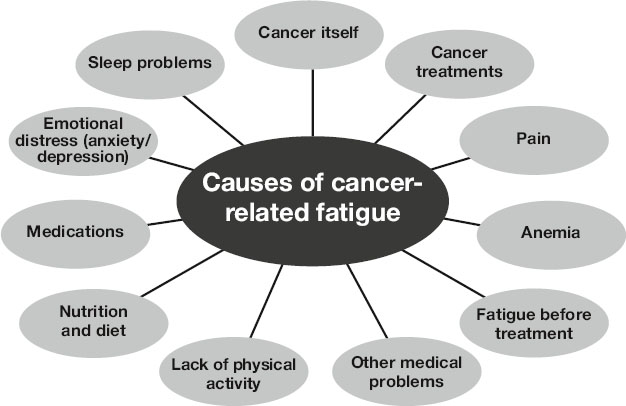
FIGURE 8-1. Causes of cancer-related fatigue. (©Alex’s Lemonade Stand Foundation, 2025)
Fatigue usually does not occur by itself. More often, it occurs along with other symptoms (called symptom clusters: pain, nausea, stress, sleep problems). Stress can make fatigue worse. Many other factors can contribute to fatigue that persists long after treatment ends. See Figure 8-1 Many causes of fatigue.
Other medical causes of fatigue:
hormone imbalance (i.e., thyroid, testosterone, estrogen, growth hormone) (see Chapter 10, Hormone-producing Glands)
gastrointestinal problems (see Chapter 16, Liver, Stomach, Intestines)
liver dysfunction (see Chapter 16, Liver, Stomach Intestines)
heart or lung disease (see Chapter 13, Heart and Blood Vessels)
kidney disease (see Chapter 15, Kidneys, Bladder, and Genitals)
anemia (low red blood cell count)
mental/emotional illness (depression, anxiety, chronic stress) (see Chapter 2, Emotions)
obesity (see Chapter 5, Staying Healthy)
alcohol consumption/substance abuse
Table of Contents
All Guides- Acknowledgements
- Contributors
- Foreword
- Preface
- 1. Survivorship
- 2. Emotions
- 3. Relationships
- 4. Navigating The System
- 5. Staying Healthy
- 6. Genetic Testing And Childhood Cancer
- 7. Diseases
- 8. Fatigue
- 9. Brain And Nerves
- 10. Hormone-Producing Glands
- 11. Eyes And Ears
- 12. Head And Neck
- 13. Heart And Blood Vessels
- 14. Lungs
- 15. Kidneys, Bladder, And Genitals
- 16. Liver, Stomach, And Intestines
- 17. Immune System
- 18. Muscles And Bones
- 19. Skin, Breasts, And Hair
- 20. Subsequent Malignancies
- About The Editors