
Childhood Cancer Survivors
Medical Management
Fatigue in long-term survivors of cancer can range from being a nuisance to being a disabling condition. For some survivors, the fatigue comes and goes. For others, energy and stamina are permanently reduced. Your healthcare provider can consult evidence-based guidelines specifically for cancer-related fatigue for ways to manage your fatigue.
Medical management can include pharmacologic/medications or non-pharmacologic interventions listed below:
Enhancing activity level with exercise, physical therapy, or occupational therapy (See Figure 8-2. Health Benefits of Physical Activity – CDC recommendations)
Consultation with a sleep expert to improve sleep hygiene (i.e., things you do to get a good night’s rest)
Counseling and support (individual or group) to help with emotions and stress management
Consultation with a nutritionist about diet and supplements
Medicines for pain, emotional distress, and anemia, if needed
Counseling
Sometimes there is no medical treatment for fatigue even when the cause is known such as a heart dysfunction. Many brain tumor survivors and some leukemia survivors treated with cranial radiation have fatigue from unknown causes. This exhaustion can affect a survivor’s education, work life, and social life.
Counseling is needed for these survivors especially regarding how to receive special accommodations in the school system through an Individualized Education Program or Individualized Transition Plan (see Chapter 4, Navigating the System). Some options offered include attending school for half days, allowing more time to get from class-to-class, and participating in adaptive physical education.
When a survivor begins to plan for college or work, they need to know what special accommodations are available for the disabled as outlined by federal/state laws. See section on Education, Chapter 4 Navigating the System, which outlines application process and accommodations provided for disabled students in college or vocational-technical programs and section on Workplace which gives detail about filling out applications for jobs and insurance, and workplace accommodations.
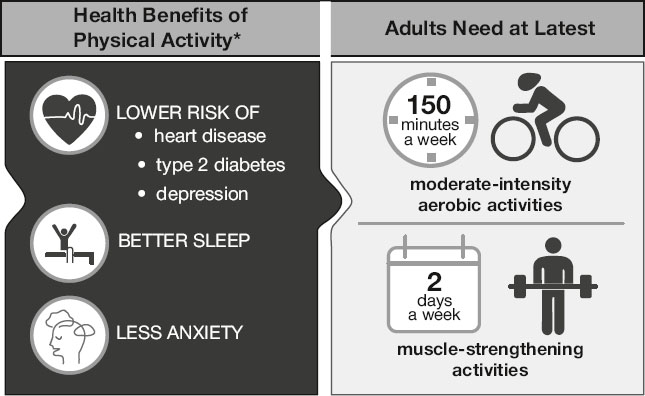
FIGURE 8-2. Health Benefits of Physical Activity.
*https://www.cdc.gov/physical-activity/php/public-health-strategy/
An infographic divided into two sections. The left section, titled “Health Benefits of Physical Activity”, lists three benefits with corresponding icons: a heart icon for Lower Risk of heart disease, type 2 diabetes, and depression, a yoga pose icon for Better Sleep, and a head profile icon for Less Anxiety. The right section, titled “Adults Need at Latest”, shows two recommendations: a clock icon and cyclist graphic for 150 minutes a week of moderate-intensity aerobic activities, and a calendar icon with a person lifting weights for 2 days a week of muscle-strengthening activities.
Counseling for all survivors suffering from post-cancer fatigue can address several issues. Psychological distress that existed prior to cancer or resulted from cancer treatment may make fatigue worse. Resolution of these issues may improve your energy level. Therapists who specialize in this area can help you to devise an energy conservation plan, (a plan to prioritize your daily goals/activities and time use, simplifying tasks, and reducing the amount of energy you expend in accomplishing necessary tasks). Supportive discussions about the effects of fatigue/low energy on your life may result in new ways to adapt to the condition. Counseling may also help remove any faulty negative feelings about yourself (i.e. feeling lazy or selfish) and replace them with strategies to help you feel more energy, reduce stress, and improve your self-concept.
* The use/publication of figures/images in this book taken from the CDC website does not indicate endorsement or accuracy of content presented in this book by the CDC or US government. These images are considered in public domain and can be used for educational purposes in electronic and print media. Click the links below images which directs you to specific CDC webpages for more information.
Other general suggestions for coping with chronic fatigue:
Avoid or change the activities that cause more fatigue.
Schedule activities for when you have the most energy / set priorities.
Reduce stressful situations as much as you can.
Get plenty of rest and sleep.
Ask for help when you need it.
Eat a diet that is low in caffeine and junk food.
Engage in physical activity approved by your healthcare provider.
Find activities to refresh your mind or distract yourself (massage, funny movie, nature walk).
Practice mindfulness and relaxation exercises.
Table of Contents
All Guides- Acknowledgements
- Contributors
- Foreword
- Preface
- 1. Survivorship
- 2. Emotions
- 3. Relationships
- 4. Navigating The System
- 5. Staying Healthy
- 6. Genetic Testing And Childhood Cancer
- 7. Diseases
- 8. Fatigue
- 9. Brain And Nerves
- 10. Hormone-Producing Glands
- 11. Eyes And Ears
- 12. Head And Neck
- 13. Heart And Blood Vessels
- 14. Lungs
- 15. Kidneys, Bladder, And Genitals
- 16. Liver, Stomach, And Intestines
- 17. Immune System
- 18. Muscles And Bones
- 19. Skin, Breasts, And Hair
- 20. Subsequent Malignancies
- About The Editors