
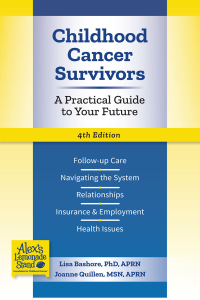
Childhood Cancer Survivors
Vocational Training
Preparing for the world of work means gaining appropriate skills, such as typing, filing, driving, filling out forms, and using tools. These skills may be gained in school-based vocational-technical classes, classes taken at a community college or vocational school while still in high school, union- or employer-sponsored apprenticeship program, an internship, or on the job. Vocational career planning is mandatory for special education students in the United States by age 16 as part of an Individualized Transition Plan, but should begin much earlier.
Transition-to-work services
Transition-to-work services may include moving into the public vocational rehabilitation system which trains and places adults with disabilities into jobs. However, in many states, the vocational rehabilitation system is severely overloaded with waiting times for placement ranging from 3 months to as much as 3 years. There are a range of different work environments. Sheltered workshop jobs are segregated facilities where disabled people go to work for very low sub-minimum wages (e.g., sorting recyclables, light assembly work) and are meant to be temporary workplaces that prepare them for finding and working regular jobs.
Another type of job placement is supported placement which provides people with severe disabilities the appropriate, ongoing support necessary for success in a competitive work environment. These are jobs within the community such as grocery clerks, office helpers, and factory workers. Often the survivor works with a job coach for a period of time. The job coach is a person who helps them learn work skills, workplace rules/regulations, and how to handle workplace stresses. In some cases, the job coach may accompany the survivor on the job for a period of time or only make periodic visits to see how the survivor is getting along and resolve any problems.
For more information about various work programs for disabled:
https://www.dol.gov/agencies/odep
U.S. Department of Labor, Office of Disability Employment
School districts may sponsor their own supported work opportunities, such as learning to run an espresso coffee cart or student-run horticultural business. Many schools have vocational programs that connect students with a mentor in their chosen field which may include actual work experience with local employers.
Some public and private agencies may offer help with job training and placement, such as the state employment department, or the U.S. Department of Labor, (https://www.dol.gov/agencies/eta/). Goodwill Industries operates a job placement service in most larger cities.
Students with disabilities should receive appropriate vocational counseling, including aptitude testing, discussion of their interests and abilities, and information about work possibilities. Parents need to ensure that students with the potential for higher level skilled jobs are not shunted into jobs that leave them financially vulnerable and possibly unhappy as adults.
State vocational rehabilitation agencies
Every state has a vocational rehabilitation agency that provides services to individuals who live in that state. The federal Rehabilitation Act requires states to provide the following minimum services:
Evaluation of potential for rehabilitation
Counseling
Placement services
Physical accommodations (the state does not have to provide equipment but is required to help determine what equipment is needed)
Some states have vocational rehabilitation scholarship money that provides an amount comparable to tuition at a state university that can be used for vocational training. They also provide information about private vocational rehabilitation programs within the state. The Rehabilitation Act requires that state vocational rehabilitation agencies work with schools to provide transition from high school to the workplace for youth with disabilities. For information about accommodations on the job, see resources below.
Resources for vocational rehabilitation
Job Accommodation Network Website: http://askjan.org. Phone: (800) 526-7234 (Prompt #2)
To file a complaint if you feel your home state is denying or inadequate response for rehabilitative services/accommodations, Website: www.advocacyinstitute.org
Rehabilitation Services Administration, U.S. Department of Education, Office of the Commissioner, 400 Maryland Avenue SW, Washington, DC 20202-7100
Website: https://rsa.ed.gov
Table of Contents
All Guides- Acknowledgements
- Contributors
- Foreword
- Preface
- 1. Survivorship
- 2. Emotions
- 3. Relationships
- 4. Navigating The System
- 5. Staying Healthy
- 6. Genetic Testing And Childhood Cancer
- 7. Diseases
- 8. Fatigue
- 9. Brain And Nerves
- 10. Hormone-Producing Glands
- 11. Eyes And Ears
- 12. Head And Neck
- 13. Heart And Blood Vessels
- 14. Lungs
- 15. Kidneys, Bladder, And Genitals
- 16. Liver, Stomach, And Intestines
- 17. Immune System
- 18. Muscles And Bones
- 19. Skin, Breasts, And Hair
- 20. Subsequent Malignancies
- About The Editors