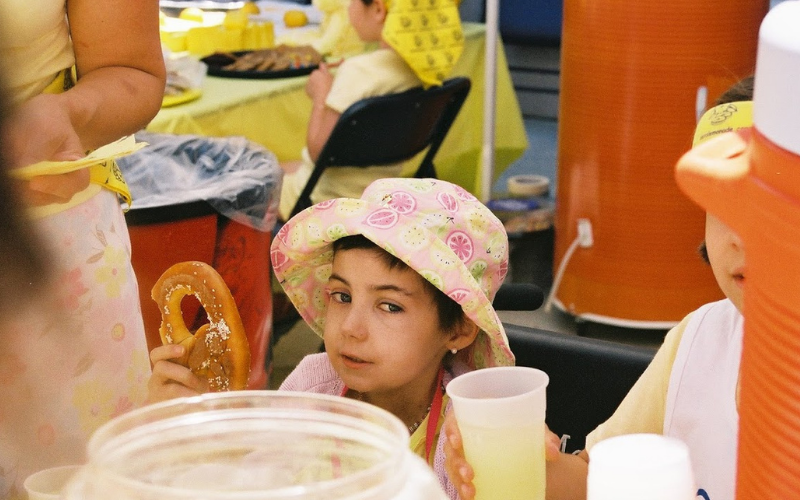
 ALSF Founder Alex Scott was diagnosed with neuroblastoma in 1997.
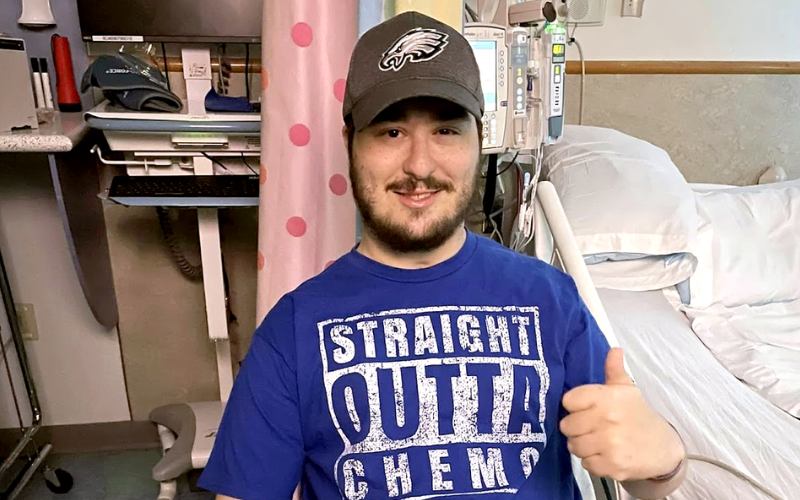 Cole beat neuroblastoma; but did not know until 15 years and another cancer later that he had Li Fraumeni, a cancer predisposition syndrome. Cole passed away at age 19.
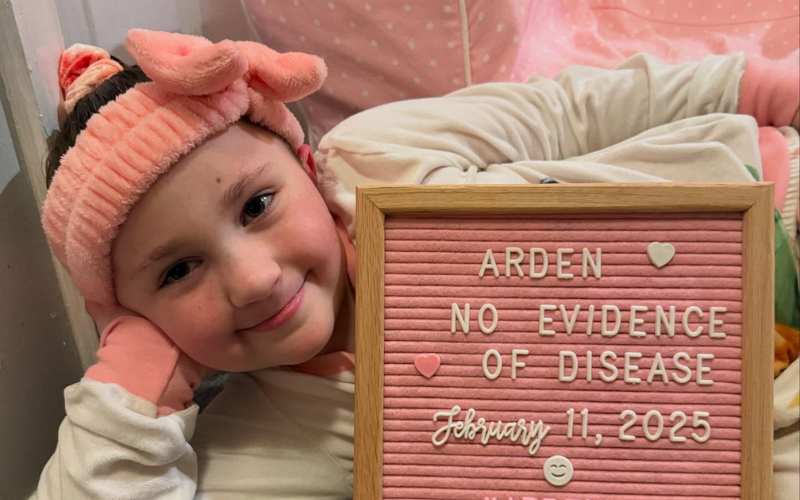 Arden, diagnosed over a decade after Alex, had newer, less toxic and more effective treatment options, thanks to research.
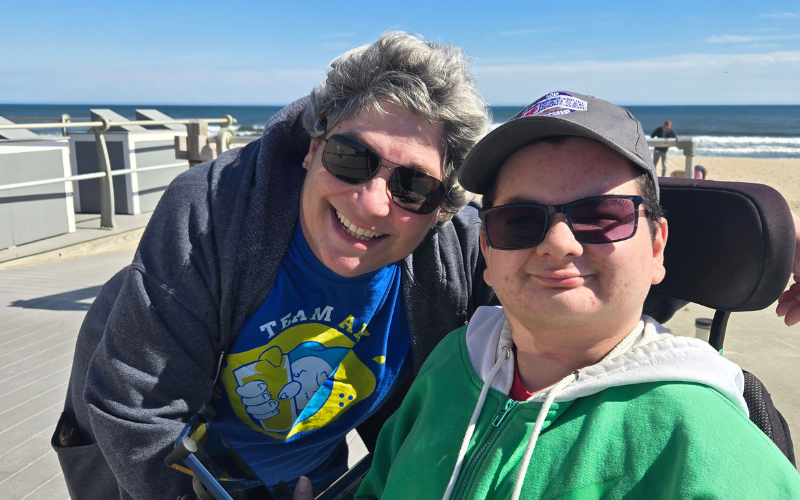 Tony beat neuroblastoma as a young child but was left with long term side effects.
By: Trish Adkins
When Alex’s Lemonade Stand Foundation (ALSF) Founder Alex Scott was diagnosed with neuroblastoma in 1997, doctors didn’t know her cancer was driven by ALK – a mutation that fuels the development of neuroblastoma cells. And even if they did, there wasn’t a treatment in 1997 for ALK-driven neuroblastoma.
But today, there are effective treatment options for that type of neuroblastoma, thanks to research.
Over the past two decades, incredible progress has been made in the treatment of neuroblastoma. From identifying targets and developing drugs to leveraging genetic testing and staging at diagnosis, science is making a huge impact. Overall, the five-year relative survival rate for all types of neuroblastoma is 85% – nearly 10% higher than it was in the year Alex Scott was diagnosed.
Still, there remains critical gaps in neuroblastoma research and treatment. Children with high-risk neuroblastoma, who are most likely to experience a relapse after frontline treatment have a scary prognosis: their five-year survival rate hovers around only 60%. Research continues to find more effective treatments, work to better understand the disease, and make efforts to support survivors after treatment.
Progress has reshaped what is possible for many families, but the work isn’t finished. To keep moving toward better outcomes for every child, it’s important to understand the breakthroughs, the challenges, and the opportunities ahead.
1. Neuroblastoma is a complex disease.
Each year, between 600 and 700 kids in the United States are diagnosed with neuroblastoma. This is a complex cancer that begins in the sympathetic nervous system, the part of the body that manages the physical “fight or flight” response during stressful situations. Immature nerve cells called neuroblasts stop maturing and multiply uncontrollably, forming tumors. These often appear on top of the adrenal glands or along the spine. There are different mutations that can drive neuroblastoma: ALK (for which there are some targeted therapies), MYCN (which was once considered undruggable and is being intensely studied), and other rare chromosome deletions that can indicate a higher risk of relapse.
2. Risk matters.
When diagnosing neuroblastoma, oncologists use a staging system to determine a child’s risk of relapse. When determined at diagnosis, this can help guide treatment decisions, reduce exposure to unnecessary toxic treatments, and provide the opportunity for more aggressive treatment when indicated. Each risk group has its own five-year survival rate:
Low-risk group: Higher than 95%
Intermediate-risk group: 95%
High-risk group: 60%
3. Predisposition can drive neuroblastoma.
Cole was diagnosed with neuroblastoma in 2007. At the time, no one knew that his cancer was driven by Li-Fraumeni Sydrome (LFS), an inherited cancer predisposition syndrome. Fifteen years later, when Cole was diagnosed with a second type of cancer, a genetic test confirmed LFS. Cole died at the age of 19 years old. But, had he known what drove his cancer, maybe his story would have been different. Knowledge of his predisposition would have most likely changed Cole’s treatment protocol at diagnosis and included more in-depth, routine surveillance.
His story continues to serve as inspiration and a driving force to learn more about predisposition and its relation to a variety of childhood cancers, including neuroblastoma.
4. Breakthroughs happen.
Edie was just a toddler when treatment for neuroblastoma failed. Then, a genetic test found that Edie harbored the ALK mutation in all the cells of her body, which meant she had an inherited, familial type of neuroblastoma. A clinical trial for a targeted therapy worked, and Edie is now cancer-free. Without research, Edie wouldn’t be the vibrant teenager she is today. Another child, Arden, was also diagnosed as a toddler. She did not carry the ALK mutation in all the cells of her body, but instead the neuroblastoma tumors were ALK-positive. Arden began on a different type of targeted therapy and it worked.
Arden is now 7 years old and cancer-free, all thanks to the breakthroughs happening every day.
5. Cures are just the beginning, survivorship is for a lifetime.
Thanks to decades of research, survival for low- and intermediate-risk neuroblastoma exceeds 90%, while high-risk cases hover around 60%. Yet survival doesn’t mean the end of challenges.
Tony was diagnosed at 2½ with high-risk neuroblastoma. He survived multiple rounds of very intense chemotherapy, surgeries, transplants, total-body radiation, and immunotherapy. Treatment cured his neuroblastoma – but also left long-term side effects that impacted his hearing, vision growth, bone health, led to a secondary cancer, and caused kidney failure. Tony had a kidney transplant with his dad as a donor.
A 2025 Lancet Child & Adolescent Health study of 375 survivors revealed:
• 72% experienced moderate-to-severe hearing loss
• 24% had growth failure, and 51% were underweight
• 8% developed moderate-to-severe lung disease
• Many had multiple serious late effects
These findings show that beating neuroblastoma is only the first step in a long journey – one that often includes ongoing health challenges, monitoring, and care.
December 5 is International Neuroblastoma Awareness Day
Shortly before her 1st birthday, ALSF founder, Alex Scott, was diagnosed with neuroblastoma, a type of childhood cancer. For her entire 8 years of life, she did not let her diagnosis stop her from being a determined, courageous, confident and inspiring child with big dreams and big accomplishments for helping other kids with cancer.
With her grassroots lemonade stands, Alex created a movement that allows us to all work together to cure kids with cancer, a movement that has helped other kids have the chance to live out their dreams.
We keep fighting in Alex's honor.