
Childhood Cancer Survivors
The Respiratory System
Most air enters the body through the nose. As it passes through the nose and nasal cavity, it is warmed, moistened, and filtered.
The pharynx (throat) is the area where the passages from the nose and mouth come together. This area leads to the esophagus (a tube to the stomach) and the larynx (which contains the vocal cords). When you swallow, a flap of tissue called the epiglottis covers the larynx to prevent food from getting into the lungs. (see Figure 14-1, The respiratory system).
The larynx leads to the trachea—the main passageway to the lungs. The lungs are two organs that surround the heart and fill up most of the space in the ribcage. The lungs are divided into sections called lobes. The left lung is slightly smaller and has fewer lobes than the right lung.
The trachea branches into two tubes called bronchi, which divide into smaller and smaller tubes called bronchioles. These tiny tubes end in air sacs called alveoli. The air you breathe carries oxygen that moves across the air sac walls into blood in capillaries in exchange for carbon dioxide. This carbon dioxide exits the body when you exhale (Figure 14-1).
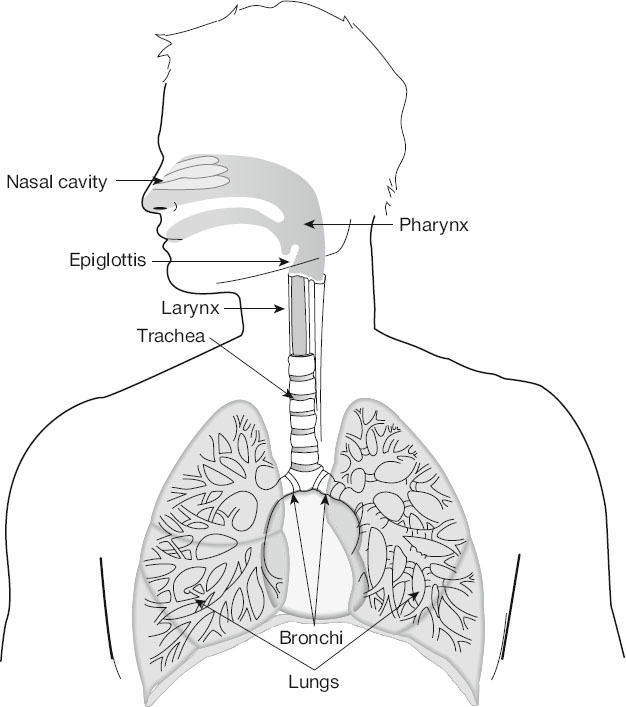
FIGURE 14-1. The respiratory system (©Alexʼs Lemonade Stand Foundation, 2025)
Damage to the lungs
Lung damage from treatment can reduce your lungs’ ability to expand and thus the amount of air they can hold (called restrictive lung disease). Lung growth and chest size can be affected in some survivors who were treated at a very young age and those children who develop scoliosis, which may impact pulmonary function. Treatment can also cause scarring in the lungs (called pulmonary fibrosis) which reduces the exchange of oxygen for carbon dioxide in the air sacs. Obstructive lung disease (narrowing of the airways) can also occur. A combination of these problems can develop after treatment for childhood cancer.
I only have one lung. They removed the other because my cancer was on the pleural lining of my lung, so they couldn’t just take out a portion. Thankfully my other lung has moved and expanded more, which makes up for some of it. This made my heart move over more to the center/right side.
I only have one lung due to my removal. I follow-up with my oncologist for this but not that frequently. The only time I notice a problem is when the weather changes. If it is really cold, I feel like the air is taken from me. If it’s humid, I feel myself trying to gasp for air.
Lungs can be damaged by both radiation and chemotherapy. Certain types of chemotherapy drugs can intensify the damaging effects of radiation. Lung damage is common in survivors of hematopoietic stem cell transplants who develop chronic graft-versus-host disease.
Radiation
The lungs are located in the chest cavity. If the chest is irradiated during childhood or adolescence, the growth of bones in the area (spine, ribs, and sternum) as well as muscles in the chest wall can be slowed or stopped. Survivors treated for cancer and who had mantle radiation (used before 1990) or radiation to the lungs (chest radiation) may have smaller chests than do those treated only with chemotherapy. This reduces the area in which the lungs can expand and contract. Survivors who received radiation to one side of the body (e.g., those treated for Wilms tumor) can develop curvature of the spine (scoliosis) that can also affect the space occupied by the lungs.
A small number of children and adolescents who received high-dose radiation to the lung area develop radiation pneumonitis during treatment. They may recover from the pneumonitis on their own or may require treatment with corticosteroids for a period of time. If the pneumonitis worsens, it can result in pulmonary fibrosis. Pulmonary fibrosis occurs when lung tissue becomes scarred and loses its elasticity. The amount of air the lungs can hold (lung volume) is then reduced, and the amount of gases exchanged (oxygen and carbon dioxide) is lowered.
Pulmonary fibrosis can develop months to years after treatment and can either stabilize or continue to get worse. Symptoms depend on the amount of lung involved. Fibrosis usually occurs in those who had tumors in the chest or lungs or lung metastases from cancers in other locations and were treated with radiation. It can also occur in survivors who received total body radiation (TBI) as part of their preparation for stem cell transplantation.
The risk of developing pulmonary fibrosis or other pulmonary late effects is highest in survivors who received higher doses of radiation to the lungs/chest including TBI, certain chemotherapy drugs, or combinations of chemotherapy and radiation.
Children or adolescents who get relatively low doses of radiation––less than 1500 centigray (cGy) given in fractions––may develop mild or moderate restrictive pulmonary disease, but it usually does not affect daily life activities. Survivors should be evaluated yearly, and most can participate in sports and lead active lives. Survivors who receive doses of radiation >15 Gy (1500 cGy) are at risk for developing repeated lung infections.
Chemotherapy
Pulmonary fibrosis can also be caused by some chemotherapy drugs, such as bleomycin, busulfan, carmustine (BCNU), and lomustine (CCNU). Any combination of these chemotherapy drugs, including asparaginase combined with radiation to the chest (doses >10 Gy), increase the risk for pulmonary fibrosis. Survivors treated with these drugs can develop problems during treatment or many years after treatment ends. Survivors most at risk for pulmonary fibrosis are those who had doses of bleomycin, busulfan, BCNU, or CCNU.
Risk Factors for developing lung problems after bleomycin treatment:
High total doses of bleomycin (400 units/m2 or more in all doses combined), or in combination with radiation and BCNU (>600 mg/m2) and busulfan (>500 mg/m2)
Radiation to the chest or lungs especially in higher doses, or total body irradiation (TBI)
Treatment with other chemotherapy drugs that can also damage the lungs
Exposure to high oxygen levels (such as during general anesthesia or scuba diving)
Smoking
Inhaled drugs, such as smoking marijuana, vaping, or cocaine
Young age when receiving bleomycin treatment
General anesthesia/sedation precaution. Oxygen and fluids should be monitored closely by an anesthesiologist if you need to be sedated for any reason. You should not be given high concentrations of supplemental oxygen. Too much oxygen to someone who was previously treated with bleomycin can cause edema (fluid buildup) in the lungs. This complication can be avoided with planning and communication ahead of time.
Follow-up screening and detection for lung damage
Part of comprehensive follow-up care should be a discussion about any risks to your lungs from treatment. If you are at risk, you should tell your healthcare provider how you breathe at rest and while exercising. Be aware of the signs and symptoms of common pulmonary late effects (see Table 14-1) and contact your healthcare provider if you experience any of these symptoms. Your PCP or pulmonologist can prescribe bronchodilating medications that relax the muscles around your airways and help clear mucus from your lungs and relieve symptoms of some lung conditIons such as asthma and COPD.
If you received treatment with bleomycin, BCNU, CCNU, or busulfan; chest, spine, or flank irradiation; or have any symptoms of fibrosis, you should have the following tests performed:
Pulmonary function tests (PFTs) (see Figure 14-2)
Chest x-ray
Evaluation of chest wall growth
Evaluation for scoliosis (curvature of the spine)
Evaluation of trunk length and size of chest cavity
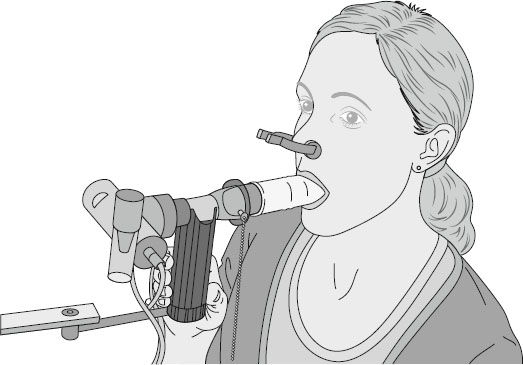
FIGURE 14-2. Pulmonary function testing (spirometry) (©Alexʼs Lemonade Stand Foundation, 2025)
Table 14-1 Signs and symptoms of common pulmonary late effects |
|
|---|---|
Pneumonitis |
Lung Fibrosis |
• cough • fever • shortness of breath • rapid heartbeat |
• chronic cough (with or without fever) • shortness of breath • painful breathing • tiring easily during exercise • increasing difficulty with daily activities |
Current guidelines recommend monitoring as needed during therapy or at two years after completion of therapy. If you have symptoms, or if the tests are abnormal, you will be monitored periodically. Most follow-up clinics perform PFTs. If a chest x-ray or PFTs suggest fibrosis, a referral to a pulmonologist is usually made for further evaluation.
Prior to receiving general anesthesia. If you received bleomycin, you should have PFTs before having general anesthesia. Make sure you tell the anesthesiologist about your cancer history, bleomycin treatment, and results of your PFTs.
Prior to scuba diving, survivors who had chemotherapy and/or radiation that can affect the lungs should have PFTs and possibly see a pulmonary specialist.
Medical management for lung problems
Yearly influenza vaccine and pneumococcal vaccine
All survivors who had pulmonary radiation or potentially lung-toxic chemotherapy should get a yearly influenza vaccine. They should also receive the pneumococcal vaccine once they have completed therapy and their immune system is functional—about 6 months to 1 year from most conventional therapy, and later for those who had a hematopoietic stem cell transplant. This vaccine will not prevent all types of pneumonia, because many types are due to organisms not covered by these vaccines.
Also, it is wise to protect oneself and take precautions to avoid close contact with anyone who has a respiratory infection: an ounce of prevention is worth a pound of cure.
Pulmonary fibrosis
If you have pulmonary fibrosis, you should maintain as active a lifestyle as possible to maximize lung function. You should also be seen periodically by a pulmonologist.
Careful management of upper respiratory infections is necessary if you have pulmonary fibrosis. If there are increasing signs of pulmonary distress, such as breathing difficulties, increased sputum production, or increased shortness of breath, call your healthcare provider.
No smoking, vaping or exposure to toxic fumes
If you are a cancer survivor, you should not smoke cigarettes or marijuana or vape/inhale any substance other than prescribed medications prescribed by your doctor. This is especially important if you had any treatment that is potentially toxic to your lungs. Your medical management should include a frank discussion about the dangers of smoking, vaping or inhalation of any foreign substance.
E-cigarettes and similar devices. E-cigarettes and other electronic nicotine delivery systems (ENDS) have become very popular in recent years, especially among younger people. They are sometimes used as substitutes for cigarettes or other tobacco products, but for many people, they are the first tobacco product used.
Makers of e-cigarettes and other ENDS often claim the ingredients are safe. But the aerosols (mixtures of very small particles) that these products produce can contain addictive nicotine, flavorings, and a variety of other chemicals, some known to be toxic or to cause cancer. The levels of many of these substances appear to be lower than in traditional cigarettes, but the amounts of nicotine and other substances in these products can vary widely because they are not standardized. The long-term health effects of these devices aren’t yet known. (quote from: https://www.cancer.org Search: risk-prevention, tobacco).
Avoid toxic fumes. To protect your lungs, avoid fumes from chemicals, solvents, and paints and observe respiratory safety precautions in the workplace. For more information about keeping your lungs healthy after treatment for childhood cancer, visit www.survivorshipguidelines.org; toward the bottom of the home page, look for the heading "Pulmonary System" and click on the link below it to download the "Bleomycin Alert" pdf.
Table of Contents
All Guides- Acknowledgements
- Contributors
- Foreword
- Preface
- 1. Survivorship
- 2. Emotions
- 3. Relationships
- 4. Navigating The System
- 5. Staying Healthy
- 6. Genetic Testing And Childhood Cancer
- 7. Diseases
- 8. Fatigue
- 9. Brain And Nerves
- 10. Hormone-Producing Glands
- 11. Eyes And Ears
- 12. Head And Neck
- 13. Heart And Blood Vessels
- 14. Lungs
- 15. Kidneys, Bladder, And Genitals
- 16. Liver, Stomach, And Intestines
- 17. Immune System
- 18. Muscles And Bones
- 19. Skin, Breasts, And Hair
- 20. Subsequent Malignancies
- About The Editors