
Childhood Cancer Survivors
Precision Medicine In Pediatric Cancer
The field of pediatric oncology has led the way in individualizing cancer care based on genetics testing and the use of diagnostic, prognostic, and therapeutic biomarkers. We are starting to move away from a standard approach for any specific cancer type to the practice of precision medicine and individualized therapeutic approach based on biomarkers.
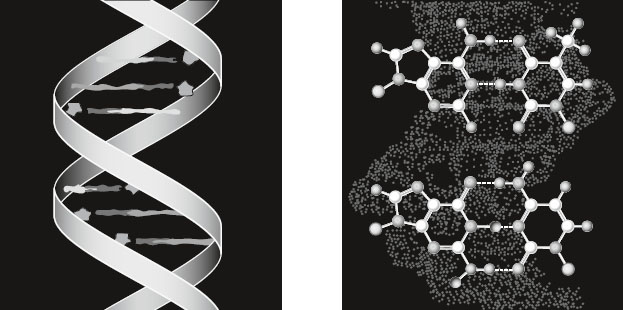
FIGURE 6-1. DNA molecules (©Alexʼs Lemonade Stand Foundation, 2025)
Childhood cancer is not one disease but instead multiple different entities. What makes most of these different entities childhood cancer is they are thought to be malignancies occurring due to changes in normal human developmental programs. Pediatric cancers differ from each other not only by the tissue in which they appear, but also how aggressive they are, likelihood to respond to different types of drugs, and risk of cancer recurrence. For example, certain types of cancers tend to have a poor response to conventional chemotherapy, but other cancers are exquisitely sensitive. Researchers have found that certain types of leukemias that are resistant to chemotherapy harbor a genetic abnormality termed the Philadelphia chromosome. This subgroup responds better to a different class of drugs which can be given in the form of a pill and when combined with chemotherapy is often considered as curative therapy. This approach of tailoring therapy according to the genetic and molecular characteristics of the cancer is called precision medicine.
Precision medicine and genetics hold the promise of changing the way cancer is diagnosed, treated, and monitored. While we still have a long way to go, advancements have been rapid and produced a major positive impact on the field of childhood cancer.
At the heart of precision medicine is the idea of biomarkers—measurable biological identifiers that can predict medical phenomena such as how aggressively a cancer grows/behaves. In this chapter, we introduce key concepts in biomarker testing that are relevant to pediatric cancer. We hope that after reading this chapter, you will become more familiar and comfortable with the basic terminology that is becoming part of the routine practice of pediatric oncology.
Table of Contents
All Guides- Acknowledgements
- Contributors
- Foreword
- Preface
- 1. Survivorship
- 2. Emotions
- 3. Relationships
- 4. Navigating The System
- 5. Staying Healthy
- 6. Genetic Testing And Childhood Cancer
- 7. Diseases
- 8. Fatigue
- 9. Brain And Nerves
- 10. Hormone-Producing Glands
- 11. Eyes And Ears
- 12. Head And Neck
- 13. Heart And Blood Vessels
- 14. Lungs
- 15. Kidneys, Bladder, And Genitals
- 16. Liver, Stomach, And Intestines
- 17. Immune System
- 18. Muscles And Bones
- 19. Skin, Breasts, And Hair
- 20. Subsequent Malignancies
- About The Editors