
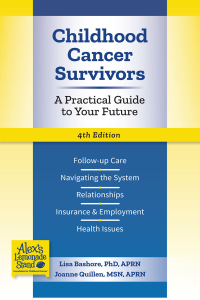
Childhood Cancer Survivors
Recommended Follow-Up For Survivors
Some tests are recommended to monitor your long-term health. By screening for problems that may occur, you can quickly identify and treat them.
Most survivors of childhood cancer should have yearly check-ups with their health-care provider or survivor clinic and the following tests/measurements every year:
complete blood count
liver function studies
urinalysis
measurements of blood pressure
pulse and respirations
height and weight
It is essential that all survivors have a Summary of Cancer Treatment form which captures their diagnosis, treatment exposures and recommended long term follow-up. See COG Survivorship Guidelines website in Resources and Click on : Summary of Cancer Treatment (Comprehensive or Summary).
For comprehensive and up-to-date recommendations, refer to Long-Term Follow-Up Guidelines for Survivors of Childhood, Adolescent, and Young Adult Cancers, Version 6.0 (October 2023); http://www.survivorshipguidelines.org/
Recommendations are regularly updated as new information is learned about late effects, so survivors and their health-care providers should check these recommendations periodically.
Table of Contents
All Guides- Acknowledgements
- Contributors
- Foreword
- Preface
- 1. Survivorship
- 2. Emotions
- 3. Relationships
- 4. Navigating The System
- 5. Staying Healthy
- 6. Genetic Testing And Childhood Cancer
- 7. Diseases
- 8. Fatigue
- 9. Brain And Nerves
- 10. Hormone-Producing Glands
- 11. Eyes And Ears
- 12. Head And Neck
- 13. Heart And Blood Vessels
- 14. Lungs
- 15. Kidneys, Bladder, And Genitals
- 16. Liver, Stomach, And Intestines
- 17. Immune System
- 18. Muscles And Bones
- 19. Skin, Breasts, And Hair
- 20. Subsequent Malignancies
- About The Editors