
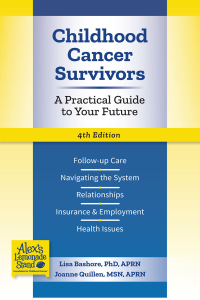
Childhood Cancer Survivors
Chapter 4. Navigating The System
KASEY MASSA, LCSW, OSW-C, CCLS
JOANNE QUILLEN, MSN, APRN, PNP-BC
LISA BASHORE, PhD, APRN, CPNP-PC, CPON
The best prescription is knowledge. — C. Everett Koop
HAVING A CANCER HISTORY continues to create challenges for survivors even in the 21st century. Knowledge, networking, and advocacy are necessary to overcome barriers to obtaining an appropriate education, health insurance, and a job. Although some disabilities are physical and visible, others (such as educational and social competence) may not be as obvious. To help children and teens reach their true potential, changes in intellectual functioning and social skills must be diagnosed early and addressed. It helps to have a map for the cancer survivorship journey. This chapter offers basic information to help guide you on your journey and covers the following areas:
education from elementary school through vocational training or college including your legal rights and specific suggestions about how to understand and use the system to get the most appropriate education for yourself (or your child);
how to obtain comprehensive and affordable life and health insurance;
how to obtain free or low-cost medications;
how to handle job interviews and strategies for avoiding discrimination;
ways to enter the armed services;
individual and group advocacy
Table of Contents
All Guides- Acknowledgements
- Contributors
- Foreword
- Preface
- 1. Survivorship
- 2. Emotions
- 3. Relationships
- 4. Navigating The System
- 5. Staying Healthy
- 6. Genetic Testing And Childhood Cancer
- 7. Diseases
- 8. Fatigue
- 9. Brain And Nerves
- 10. Hormone-Producing Glands
- 11. Eyes And Ears
- 12. Head And Neck
- 13. Heart And Blood Vessels
- 14. Lungs
- 15. Kidneys, Bladder, And Genitals
- 16. Liver, Stomach, And Intestines
- 17. Immune System
- 18. Muscles And Bones
- 19. Skin, Breasts, And Hair
- 20. Subsequent Malignancies
- About The Editors