

Childhood Cancer Survivors
Genitals
Genitals are human reproductive organs.
Genitals of females. The female organs are the ovaries, uterus, and vagina. Ovaries, the organs that release eggs and produce sex hormones, are discussed in Chapter 10, Hormone-Producing Glands. The uterus is an organ with strong, muscular walls. The structure at the bottom of the uterus that connects it to the vagina is the cervix. The vagina is a muscular, tube-shaped organ. It is sometimes called the birth canal because it is the opening through which a baby is born. Figure 15-2 shows the location of female genitals.
Genitals of males. This chapter focuses on the overall function of genitals in males. For information about the relationship between genitals in males and hormones, please see Chapter 10, Hormone-Producing Glands.
The testes are the male organs that produce sperm cells and the hormone testosterone. The testes are in a sac called the scrotum, located behind the penis. Each testis is made of coiled tubules called seminiferous tubules. Cells in the tubules produce sperm, which is stored in a structure called the epididymis. The prostate is a walnut-sized gland located just below the bladder. It makes fluid that is mixed with sperm cells to produce semen. The penis is the male organ through which sperm cells leave the body during sexual intercourse. Figure 15-3 shows the male genitals.
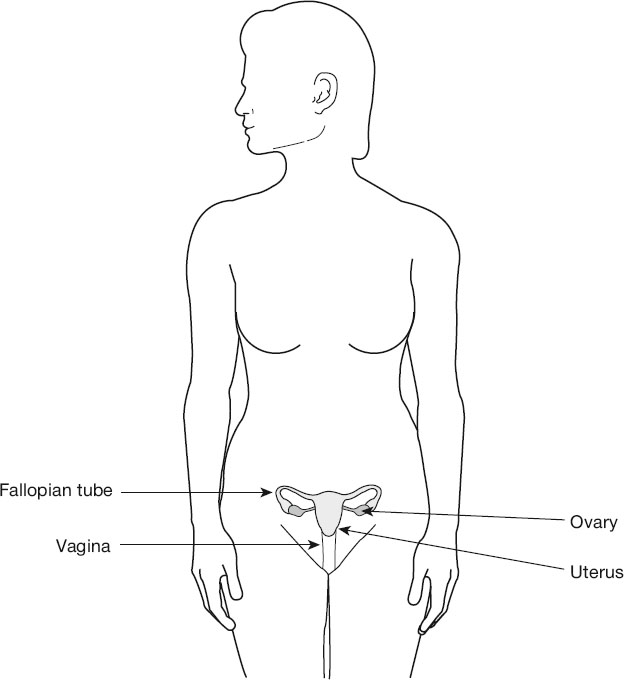
FIGURE 15-2. Anatomy of the female genitals (©Alexʼs Lemonade Stand Foundation, 2025)
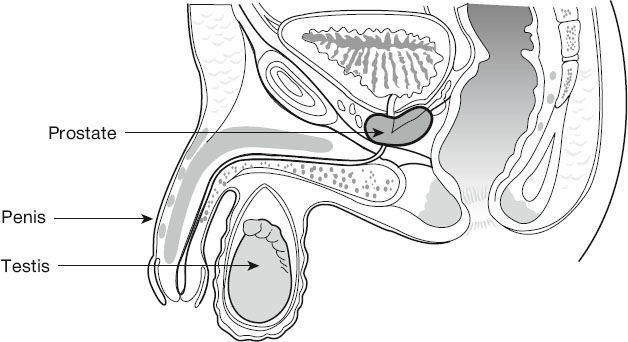
FIGURE 15-3. Anatomy of the male genitals (©Alexʼs Lemonade Stand Foundation, 2025)
Organ damage in females
Very few girls get tumors in the vagina or uterus. However, some female children or teens with tumors in the pelvic area (i.e., rhabdomyosarcoma, Ewing sarcoma, osteosarcoma) get high-dose radiation that can affect the growth and development of the vagina and/or uterus. Lower doses of radiation, when used with some types of chemotherapy that enhance radiation (e.g., dactinomycin and doxorubicin), can cause the same long-term effects as high-dose radiation alone.
Some female survivors who had abdominal tumors treated with radiation have permanent changes in the size and function of the uterus. These late effects are more likely in girls treated before puberty with more than 2000 cGy of radiation. The uterus of a girl treated after puberty usually is not damaged unless more than 4000 cGy of radiation is used. Radiation can stunt the growth of the uterus and can also cause it to become scarred (fibrotic) and less elastic. This type of damage to the uterus can cause miscarriages of pregnancies or low birthweight children. It occurs most often in survivors of Wilms tumor who had more than 2000 cGy of abdominal radiation and in Hodgkin lymphoma survivors who had radiation to the abdomen and chemotherapy (but not either alone).
Girls or teens who had more than 4000 cGy of radiation to a field that included the vagina can develop fibrosis (tissue gets scarred and tough and doesn’t stretch well) and diminished vaginal development. This problem can also occur after lower doses of radiation if radiation-enhancing chemotherapy drugs (e.g., dactinomycin) are also given. Fibrosis can affect the size and flexibility of the vagina, which can alter sexual function and the ability to deliver babies vaginally.
Signs and symptoms in females
Uterine damage. Signs and symptoms of uterine damage include the following:
Small uterus (your gynecologist will tell you this)
Inability to get pregnant
Difficulties with menstruation such as irregular periods or heavier than normal flow
Miscarriage
Low birthweight babies
Vaginal damage. Signs and symptoms of vaginal damage include the following:
Abnormal vaginal bleeding
Vaginal dryness
Inability to have intercourse due to a small vaginal opening
Painful intercourse
Organ damage in males
Male children or teens who had high-dose radiation to the abdomen for rhabdomyosarcoma, Ewing sarcoma, or osteosarcoma are at risk for damage to the prostate gland and the nerves that control sexual functioning. Boys or teens with testicular cancer or relapsed leukemia (in the testes) usually have a testicle removed and the area irradiated.
Low doses of radiation to the prostate can slow or stop the development of this organ. High doses (more than 5000 cGy) can cause the organ to atrophy (shrink). Because the prostate produces part of the fluid that makes semen, damage to it can reduce or eliminate ejaculation. Nerve damage from surgery or radiation can affect the ability to have an erection and can also affect ejaculation.
Survivors who had radical lymph node dissections (removal of many lymph nodes in an area of the body) sometimes accumulate excessive fluid in the testicles (called hydrocele). This late effect has been seen in long-term survivors of Hodgkin lymphoma, Wilms tumor, and paratesticular rhabdomyosarcoma.
Signs and symptoms in males
Prostate damage. Signs and symptoms of prostate damage include the following:
Decreased volume of ejaculate (seminal fluid released upon ejaculation)
Small or atrophied prostate (your healthcare provider will tell you this)
Nerve damage. Signs and symptoms of damage to nerves that control sexual function include the following:
Inability to have an erection
Inability to maintain an erection
Inability to have an orgasm
Having orgasms without ejaculation
Screening and detection for males and females
Frank discussions with your healthcare provider about changes in your sexual organs or sexual function are essential to identify and treat these late effects. Many people (including some healthcare providers) feel uncomfortable talking about sex and sexuality. However, sexuality is a vital part of your life that influences your sense of self and quality of life. Find a healthcare provider you trust who is comfortable discussing these issues so you can explore all of your options to address late effects involving your genitals.
Male survivors. Healthcare providers for males should take an age-appropriate history that focuses on any problems with libido (sex drive), sexual function, or fertility. For males, the prostate gland is felt manually, and sometimes an ultrasound of the organ is done to evaluate size. Late effects involving the testicles are covered in Chapter 10, Hormone-Producing Glands.
Female survivors. Healthcare providers for female survivors should take an age-appropriate history that focuses on any problems with libido, sexual function, or fertility. Female children and teens need regular evaluation of their sexual development to ensure that puberty is proceeding normally. Women and sexually active teens should have a yearly pelvic examination. This exam may need to be done under anesthesia or sedation for women or teens who have small vaginas or vaginal fibrosis. The uterus can be evaluated using ultrasound, computed tomography (CT) scan, or magnetic resonance imaging (MRI). Abdominal radiation that included the ovaries requires extensive evaluation, outlined in Chapter 10, Hormone-Producing Glands.
Medical, surgical, and psychological care
Females. Female teens and women with late effects that alter sexual functioning or fertility need to be referred to a gynecologist (a medical doctor specializing in the female reproductive system) and/or endocrinologist (a medical doctor specializing in the body’s hormone-producing glands) for further evaluation, testing, and treatment. Women or female teens with vaginal late effects may need vaginal dilations (expansion of the vagina using tube-shaped devices) or reconstructive surgery. Survivors should consult a gynecologist with extensive experience doing these procedures. A woman with a small uterus or who has uterine fibrosis (scarring of the uterus) needs counseling about pregnancy. Pregnant women who had pelvic radiation should get their prenatal care from an obstetrician who specializes in high-risk pregnancies.
Males. Male teens or men with late effects that alter sexual functioning or fertility need to be referred to a urologist (doctor specializing in the reproductive tract of men) and/or endocrinologist (doctor specializing in the body’s hormone-producing glands) for further evaluation, testing, and treatment. Males who had a testicle removed may want to discuss having a prosthesis (artificial body part) implanted. Those who develop a hydrocele usually have the fluid surgically drained.
Any survivor with sexual problems that result from treatment for childhood cancer needs both medical and psychological follow-up. A team approach that provides psychological help to address concerns about body image, fertility, or sexuality is crucial.
Centers with childhood cancer survivors’ programs have multidisciplinary teams that include psychologists and social workers who are familiar with survivors’ sexual issues and concerns. They can provide information, support, and one-on-one assistance with how to address these issues in relationships.
Table of Contents
All Guides- Acknowledgements
- Contributors
- Foreword
- Preface
- 1. Survivorship
- 2. Emotions
- 3. Relationships
- 4. Navigating The System
- 5. Staying Healthy
- 6. Genetic Testing And Childhood Cancer
- 7. Diseases
- 8. Fatigue
- 9. Brain And Nerves
- 10. Hormone-Producing Glands
- 11. Eyes And Ears
- 12. Head And Neck
- 13. Heart And Blood Vessels
- 14. Lungs
- 15. Kidneys, Bladder, And Genitals
- 16. Liver, Stomach, And Intestines
- 17. Immune System
- 18. Muscles And Bones
- 19. Skin, Breasts, And Hair
- 20. Subsequent Malignancies
- About The Editors