

Childhood Cancer Survivors
Kidneys
The kidneys, the main organs of the excretory system, are located at the bottom of the ribcage near the back of the body. These two bean-shaped organs are each about the size of a fist. Blood enters the kidneys from branches off the aorta (the main blood vessel that carries oxygen-rich blood from the heart). The kidneys regulate blood pressure, filter waste products from the blood, and control the amount of water, minerals, and vitamins in the blood that returns to the body. Inside each kidney are millions of microscopic structures that filter out large particles, such as white and red blood cells and most proteins, allowing them to return to the bloodstream. What remains in the kidney after this process is the yellow liquid called urine. Urine flows from the kidneys through long tubes (ureters) into the bladder, where it is stored until it is eliminated from the body by urination. Figure 15-1 shows the anatomy of kidneys and bladder and location within the body.
Kidney damage
The kidneys can be impacted by surgery, chemotherapy, and radiation. The majority of children with Wilms tumor have one kidney removed. If they only receive a short cycle of chemotherapy and no radiation, the remaining kidney usually functions with no major problems. The remaining kidney enlarges and does the work of two kidneys. Protecting the remaining kidney is discussed later in this chapter, under “Medical management.”
The vast majority of survivors of childhood cancer have good kidney function. Several long-term effects that may develop are: nephritis (inflammation of the kidneys), high blood pressure, kidney artery damage, and tubular necrosis (damage to kidney tubules, that filter out waste and fluid).
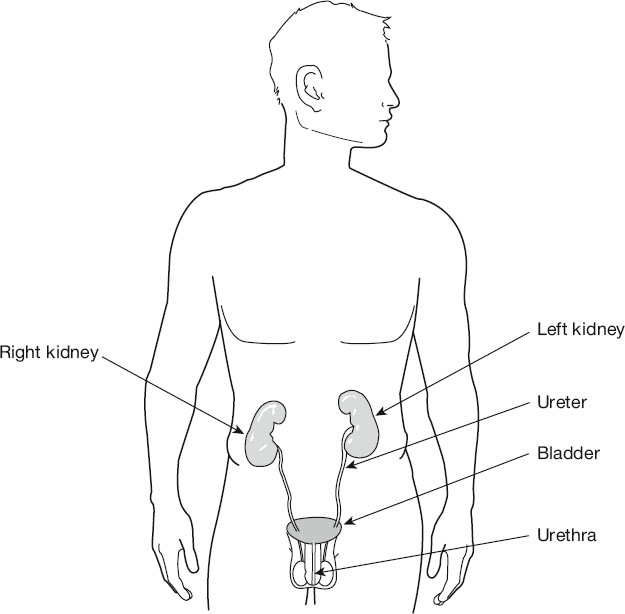
FIGURE 15-1. Anatomy of the kidneys and bladder (©Alex’s Lemonade Stand Foundation, 2025)
My daughter had several months of chemo to shrink the tumor, then surgery to remove it and the kidney was removed as well. They could never definitively say if the tumor grew from the inside or grew into her kidney; it was removed as a precaution. Her remaining kidney has suffered some damage, but it appears to be stable and we continue with all of our follow-ups.
Radiation
Radiation delivered directly to the kidneys can cause dysfunction. Survivors who are at highest risk include those who received:
Radiation to the whole abdomen for soft tissue sarcomas of the pelvis or abdomen; tumors of the kidney, abdomen, or pelvis; or abdominal lymphomas
Total body radiation (TBI) before undergoing stem cell transplantation (e.g., bone marrow transplant, peripheral stem cell transplant, or cord blood transplant).
Chronic nephritis. Chronic nephritis (inflammation of the kidneys that lasts a long time) can develop after higher doses of at least 2000 centigray (cGy) to an entire kidney. If chemotherapy is given as well, lower doses of radiation (1000 to 1500 cGy) can cause injury. However, each survivor is different, so long- term follow-up is important. Chronic nephritis is also seen in stem cell transplant survivors who had TBI as part of their conditioning regimen. The likelihood of nephritis developing appears to depend on which chemotherapy drugs the survivor had prior to the transplant.
Chronic nephritis can develop during treatment or years after treatment is completed. It can lead to kidney failure or heart damage and thus requires close medical surveillance. Improved radiation techniques and kidney shielding have decreased the number of cancer survivors who develop nephritis.
Hypertension. The kidneys also help regulate blood pressure. High blood pressure (hypertension) means the heart is working overtime to push blood through arteries. High blood pressure can lead to heart disease, hardening of the arteries (atherosclerosis), or stroke.
Renal artery damage. Another rare late effect in long-term survivors who were treated with radiation to a field (area of the body) that included one or both kidneys (this includes Hodgkin lymphoma survivors who had their spleens irradiated) is renal artery damage or blockage. The main symptom is very high blood pressure that occurs years after treatment.
Chemotherapy
Acute renal toxicity. High doses of cisplatin can affect the kidneys. Some children or teens who received cumulative doses of at least 450 mg/m2 of cisplatin can develop acute renal toxicity during treatment. Also known as acute kidney injury, it develops quickly when kidneys lose their filtering ability and dangerous amounts of waste accumulate in the blood. Over time, a kidney can sometimes repair itself. In other cases, survivors need to take replacement magnesium. Cisplatin damage usually becomes apparent during or within a year after treatment. Carboplatin is less toxic to the kidneys; however, in combination with other therapies, it can also impact renal function.
Tubular necrosis. High doses of cyclophosphamide and/or ifosfamide can cause necrosis (death) of tubules in the kidneys. Kidney tubules filter out waste products and fluid and return substances to the blood that your body needs. If these drugs are given with radiation to the pelvis or abdomen, or if combined with other drugs that can damage the kidneys, the risk of kidney problems increases. These changes usually occur only in survivors who have had multiple relapses and received extremely high doses of these drugs.
Late effects. Some chemotherapy drugs, when combined with radiation, can increase the risk of late effects to the kidneys. These drugs include the following:
Ifosfamide
Cytoxan
Cisplatin
Carboplatin
Dactinomycin
Persistent problems usually only develop in survivors who had severe kidney problems during treatment.
Signs and symptoms of kidney damage
Signs and symptoms of kidney damage include the following:
Fatigue
Anemia (not having enough red blood cells)
Excessive urination during the night (nocturia)
Weakness
Retaining fluid (edema)
High blood pressure
Poor growth (this can be a sign of very poor kidney function)
Screening and detection
Survivors who received chemotherapy that can cause kidney problems need an evaluation of kidney function after the end of treatment. Survivors who were treated with chemotherapy and radiation to the abdomen or a kidney need an evaluation of kidney function either annually or every other year. Your evaluation should include the following:
Physical exam
Health history, including questions about frequency of urination, painful urination, and bedwetting
Blood pressure
Urinalysis, or urine test, to check for protein in the urine, a sign of kidney damage
Blood tests for blood urea nitrogen (BUN) and creatinine (waste product of the body) levels, to measure how well the kidneys are working
For a complete list of the tests you should have based on your treatment, you and your healthcare provider can refer to the Children’s Oncology Group’s survivorship guidelines at www.survivorshipguidelines.org.
Medical management
If you have long-term kidney toxicities from treatment, you should be seen by a pediatric or adult nephrologist (kidney specialist). Because damage to the kidneys can resolve over time, expert medical care is needed while waiting to see if recovery occurs. In the very rare cases in which progressive kidney failure occurs, dialysis and/or kidney transplant may be necessary.
If you had radiation to one or both kidneys, regular checks of your blood pressure should be part of your medical care. You should visit your healthcare provider’s office or your school clinic several times a year to have your blood pressure checked. Steps you can take to help keep your blood pressure in the healthy range are maintaining a normal weight, exercising daily, and eating less salt.
The primary concern of survivors with only one kidney (after treatment for Wilms and occasionally neuroblastoma) is protection of the remaining kidney. The kidney is naturally very well protected within the body. However, you should talk with your healthcare provider about the sports you play. Your healthcare provider may recommend that you avoid contact sports or use a kidney guard if you do participate. Each family needs to balance quality of life issues with protection when making decisions about sports activities.
Survivors with one kidney should also know the signs of urinary tract and kidney infections and seek treatment quickly to protect their single kidney. If you have burning upon urination, blood in the urine, painful urination, an urgent need to urinate frequently, or flank pain on the side of the remaining kidney, go to your healthcare provider as soon as symptoms develop. The key preventive step for urinary tract and kidney infections is to drink half your body weight in water, for example, if you weigh 120 pounds, drink 60 ounces of water daily.
There are certain categories of drugs, including some types of antibiotics, that can affect renal function. If you only have one kidney, don’t use over-the-counter, herbal, or other medications without first discussing them with your nephrologist. Many of these are toxic to the kidneys, including nonsteroidal anti-inflammatory drugs (e.g., aspirin, ibuprofen, and naproxen) for pain, fever, or inflammation. Remind your healthcare provider anytime you receive a prescription that you have only one kidney.
Survivors with only one kidney need to make sure their healthcare providers know of their special circumstances. Putting a card in with your driver’s license that says you have only one kidney and/or wearing a medical alert bracelet will assist you in the unlikely event that you need medical care and are unable to tell emergency responders that you have a single kidney.
Table of Contents
All Guides- Acknowledgements
- Contributors
- Foreword
- Preface
- 1. Survivorship
- 2. Emotions
- 3. Relationships
- 4. Navigating The System
- 5. Staying Healthy
- 6. Genetic Testing And Childhood Cancer
- 7. Diseases
- 8. Fatigue
- 9. Brain And Nerves
- 10. Hormone-Producing Glands
- 11. Eyes And Ears
- 12. Head And Neck
- 13. Heart And Blood Vessels
- 14. Lungs
- 15. Kidneys, Bladder, And Genitals
- 16. Liver, Stomach, And Intestines
- 17. Immune System
- 18. Muscles And Bones
- 19. Skin, Breasts, And Hair
- 20. Subsequent Malignancies
- About The Editors