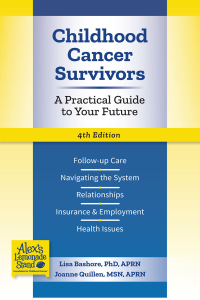
Childhood Cancer Survivors
Relationships With Siblings
Siblings can be significantly affected by a childhood cancer diagnosis. The diagnosis, treatment, and aftermath can all create an array of conflicting feelings in siblings. Intermixed with the feelings of concern for their brother or sister are feelings of resentment and anger about how their family has been affected. They feel jealous of the gifts and attention showered on the sick child, yet feel guilty for having these emotions. Some siblings feel that the child or teen with cancer continues to consume most of the parents’ attention long after treatment ends. Additionally, siblings are impacted by the changes to family routines and roles. However, siblings still often report deep and close relationships with the child with cancer.
The most common reactions of siblings to their brother or sister’s cancer are concern, fear, jealousy, anger, guilt, fear of abandonment, sadness, and worry about their parents. Younger children may also feel that something they did caused their brother or sister’s cancer. These feelings can cause academic and social problems or feelings of anxiety and depression.
Brothers and sisters within the same family can have markedly different reactions to their sibling’s cancer treatment and survival, depending on their age, temperament, and social support. Some siblings can demonstrate difficulties with emotions and behavior. Risk factors for poor adjustment can include poorer family functioning, lower social support and family income, and shorter time since their sibling’s cancer diagnosis (Long KA, 2018).
Family therapy can be very effective in exploring the various reactions of members of the family and working out ways to communicate well and support one another.
Our children are five years apart in age. Our youngest is the cancer survivor and our oldest is the cancer sibling. During diagnosis and treatment, it was extremely hard for our oldest. She tried to keep all her feelings inside. She missed us being a family, as well as time with Mommy while Mommy had to be in the hospital with her younger sister for a month or so at a time. This was made worse as treatment was during COVID, no one but Mommy could be in the hospital room.
We set up a “wishlist” for our oldest so she would not feel left out. We also set up a friends-and-family activity sign-up so friends could take her on special adventures and spend time with her. Our youngest then had to have a bone marrow transplant since the chemo wasn’t working. Her sister was a half match! We sat our oldest daughter down and asked her if she would donate her marrow. We made it her decision, as we knew how much of a burden and responsibility this would become. She chose to save her sister’s life. My girls still do not realize the magnitude of one sibling saving another’s life. I look forward to the day that they both are able to discuss this and bond as true sisters and friends.
My sister and I have a good relationship, but it has been rocky at times. I think she felt like she did not get the attention she needed or deserved at times because my parents devoted more attention to me, even after I was off treatment. Sometimes this affected our relationship because I think she felt that I wanted or sought that attention, even when I didn’t. I know she has also had caregiver/people pleaser anxiety. Overall, though, we have a good relationship, and it has gotten better as we have grown up and gotten further away from my cancer days.
My younger brother is my best friend. He always has been. However, when I was going through treatment at the ripe age of seven, my brother was five and having difficulty understanding what was happening. He saw everyone constantly fussing over me and caring for me. He felt very left out. He was always spending the night at other people’s houses and jumping around between grandparents and various friends. This caused him to ask my mom once, “Why doesn’t anybody love me?” Even recalling that story seventeen years later, my heart breaks. From then on out, my family made sure to include my brother in everything so he would feel loved and properly appreciated. It is imperative to include siblings whenever possible.
I was away from my brother for a long time, and I felt sad but at least I got to play a bunch of video games with dad and have fun and do special things. I was angry at him when he first got home. I still feel angry a little because we don’t get to do as many special things as we did before he got cancer. I just feel kind of sad and anxious now. But my brother is fun and cute and snuggly, and I love playing with him, especially in the snow in winter and the flowers in spring. I do feel anxious about him going back to the hospital.
Her sister was born into a cancer family, so that’s all she has ever known. She went to all of her sister’s scans and appointments and was there throughout it all. We planned “treat” activities for the whole family. The idea wasn’t that her older sister got a treat after treatment, but that the whole family enjoyed a treat because we were going through it together as a family. For the most part it has not affected our daughters’ relationship with one another. They are normal sisters and act like it. They both have sympathy for each other when they get sick. Our youngest has a lot of compassion for her sister because she grew up going with us to all her appointments during and after treatment. She still worries about her when she gets sick.
My relationship with my sisters has been complicated since my diagnosis. I am the youngest of three girls, and when I was diagnosed, my eldest sister was 17 and my other sister was 13. My oldest sister, given her age, her personality and her role as the oldest, assumed a huge amount of responsibility and a caretaker role during my treatment. With my parents being away at the hospital so much with me, she spent a lot of time taking care of our other sister, and took care of me whenever my parents had other things that needed their attention, or simply just needed a break. I think this strengthened my relationship with her, because I knew I could count on her as a caregiver, and as a result I really looked up to her.
My cancer diagnosis affected my relationship with my other sister much differently because we are so close in age. The attention I received throughout my treatment made her feel pushed aside and forgotten. Although I know my parents tried the best they could to give her the attention she needed, I do not think it felt like enough to her, and she harbored a lot of resentment and jealousy toward me. In recent years, we have both been doing a lot of work on ourselves and our relationship, and have been able to address some of the feelings that we both had during and after this difficult time in our lives. Our relationship is something we’re still constantly working on together, but things have gotten much better in the last couple of years now that we are mature enough to seek help for ourselves and talk through things together.
Siblings also learn important lessons about compassion, sharing, and coping skills. Most realize that should they ever become as sick, the same attention would be paid to them and that all possible efforts would be made to help them survive. That can be a comfort when jealousy or feelings of neglect arise. Their empathy and compassion may grow through the crisis. Brothers and sisters of children with cancer sometimes feel they have benefited from the experience in many ways, including:
Increased knowledge about health and disease
Empathy for the sick or disabled
Sense of responsibility
Self-esteem
Maturity and coping ability
Family closeness
Many of these siblings mature into adults interested in the helping professions such as medicine, social work, or teaching. Survivors themselves often have strong feelings about the effect their cancer had on family functioning and the long-range effects on siblings.
Table of Contents
All Guides- Acknowledgements
- Contributors
- Foreword
- Preface
- 1. Survivorship
- 2. Emotions
- 3. Relationships
- 4. Navigating The System
- 5. Staying Healthy
- 6. Genetic Testing And Childhood Cancer
- 7. Diseases
- 8. Fatigue
- 9. Brain And Nerves
- 10. Hormone-Producing Glands
- 11. Eyes And Ears
- 12. Head And Neck
- 13. Heart And Blood Vessels
- 14. Lungs
- 15. Kidneys, Bladder, And Genitals
- 16. Liver, Stomach, And Intestines
- 17. Immune System
- 18. Muscles And Bones
- 19. Skin, Breasts, And Hair
- 20. Subsequent Malignancies
- About The Editors