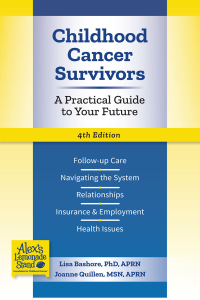
Childhood Cancer Survivors
Anniversary Reactions
Anniversaries can be times of pain or joy and sometimes an inexplicable mix of both. There are different anniversaries for everyone: for some it is the date of diagnosis, while for others it is the last day of treatment. Some survivors celebrate the 5-year remission date. Whether or not any of these anniversary dates are marked, they are likely to touch off some kind of emotional reaction—and this is normal. One mother of a teen with cancer said, “I think that whenever we touch the same place in the circle of the year, we stop and look around us to see the different shapes and colors of reality. And it often takes our breath away.”
For families of survivors with few or no long-term effects from their treatment for cancer, anniversaries are sometimes forgotten or sometimes celebrated. Some families file the memories away and skip rituals that tie them to the memories of hard times. Others remember and give thanks for their life and good health.
Families of survivors with numerous or serious late effects from treatment may have more evident daily reminders of their anniversaries. They often struggle with the urge to be grateful for life while simultaneously grieving the many losses. Sometimes it is not a specific date, but an entire month or season that is fraught with significance.
Cancer affects everyone in the family—often in different ways. It helps if family members share their feelings so they can create their own rituals to cope with or celebrate anniversaries. And each family should decide for itself when it is time to continue the tradition or let it fade into the past.
Typically, I use anniversaries as a time for reflection. My date of diagnosis is a time when I think of my struggles, but also remember the people whom I have met and would not have gotten to know without cancer – doctors, nurses, social workers, friends, and so many others who have been integral to my journey. On my cancer-free anniversary, I often think remember the friends I made in treatment who have passed away. This fills me with an overwhelming sense of sadness, but also gratitude that I had the opportunity to know them. I will carry their memories with me throughout the rest of my life.
Anniversaries are a hard thing for me, especially my diagnosis date. Each one is a reminder of how thankful I am to still be alive, but it is also a reminder of how much pain I’ve gone through. Around these times, I tend to remember all the sadness, anxiety, and fear I originally experienced. I often feel like I almost relive certain memories as time goes on when anniversaries come around. While I feel blessed to be where I am today, sometimes it feels like a curse, as well.
The diagnosis anniversary is very difficult, even 6 years later. I don’t get more anxious but I just want to crawl in bed and lie there for days that time of year. We have started trying to reframe the day. Instead of thinking of it as the worst day of our lives, we are trying to think of it as the day that our daughter’s life was saved. We try to focus on the gratitude and usually get a cake to “celebrate.”
Table of Contents
All Guides- Acknowledgements
- Contributors
- Foreword
- Preface
- 1. Survivorship
- 2. Emotions
- 3. Relationships
- 4. Navigating The System
- 5. Staying Healthy
- 6. Genetic Testing And Childhood Cancer
- 7. Diseases
- 8. Fatigue
- 9. Brain And Nerves
- 10. Hormone-Producing Glands
- 11. Eyes And Ears
- 12. Head And Neck
- 13. Heart And Blood Vessels
- 14. Lungs
- 15. Kidneys, Bladder, And Genitals
- 16. Liver, Stomach, And Intestines
- 17. Immune System
- 18. Muscles And Bones
- 19. Skin, Breasts, And Hair
- 20. Subsequent Malignancies
- About The Editors