The Childhood Cancer Blog
The Childhood Cancer Blog

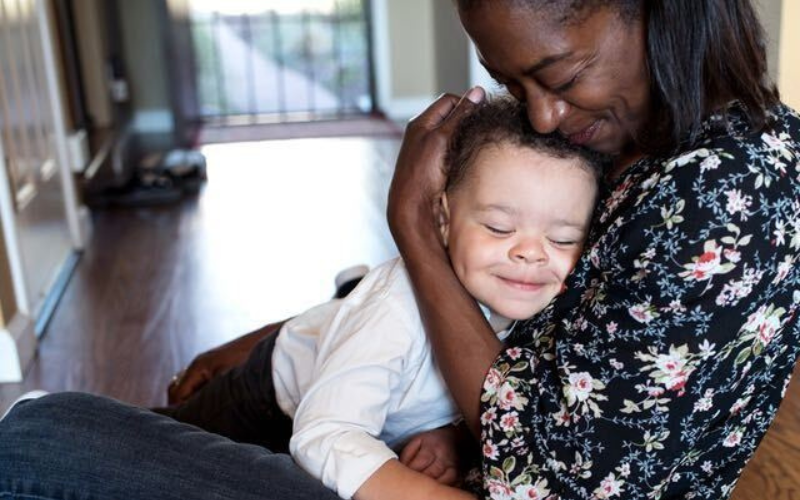
The ALSF Centers of Excellence grant program has increased the number of clinical trials and helped real kids get their cures, like little Josie (above), who thanks to COE funding, was able to access a life-saving trial close to home.
Every breakthrough in childhood cancer starts the same way: with someone choosing to act — whether it's a researcher with a bold idea or a donor committed to giving kids a chance at a cure.
Alex’s Lemonade Stand Foundation (ALSF) founder Alex Scott believed if we all worked together, we could make a difference for kids with cancer, and when it comes to childhood cancer research, nothing could be truer. Childhood cancer research needs the brightest minds, the most curious investigators, and the most generous supporters to power it forward toward cures.
“This research is... Read More
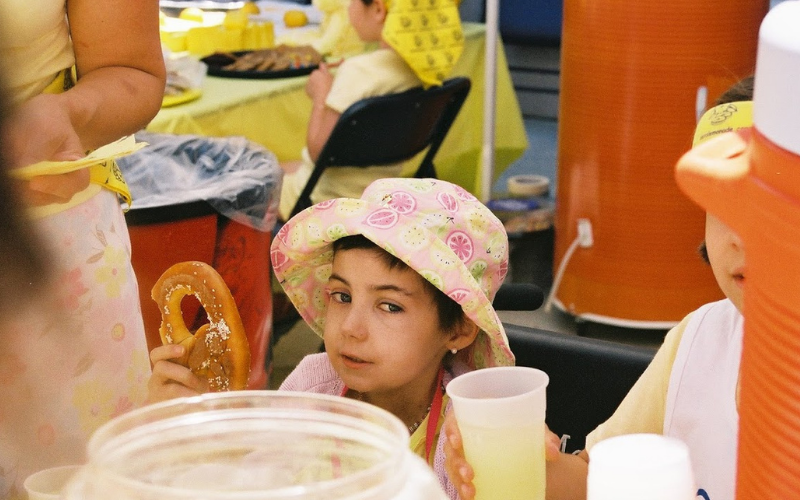
ALSF Founder Alex Scott was diagnosed with neuroblastoma in 1997.
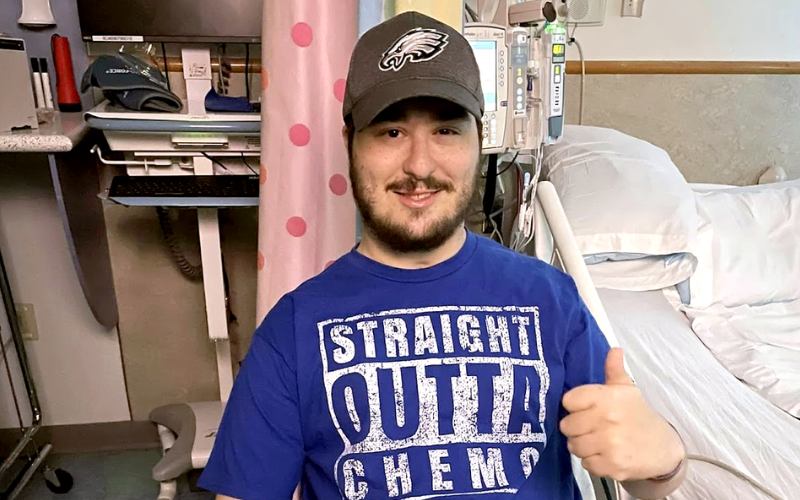
Cole beat neuroblastoma; but did not know until 15 years and another cancer later that he had Li Fraumeni, a cancer predisposition syndrome. Cole passed away at age 19.
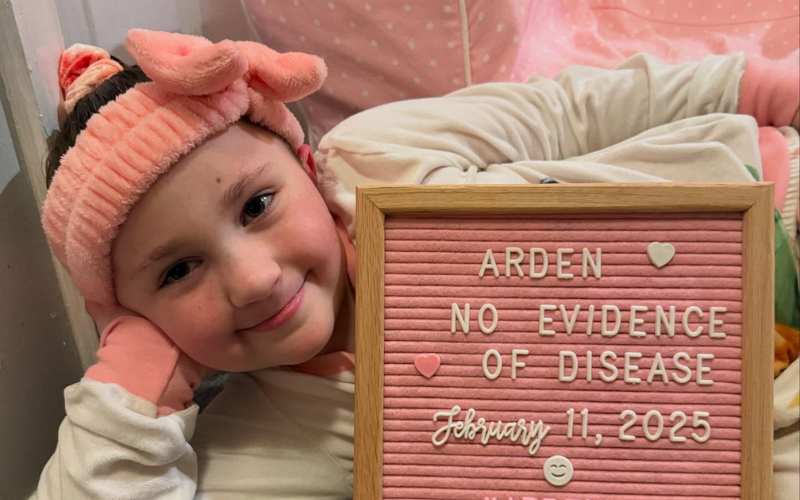
Arden, diagnosed over a decade after Alex, had newer, less toxic and more effective treatment options, thanks to research.
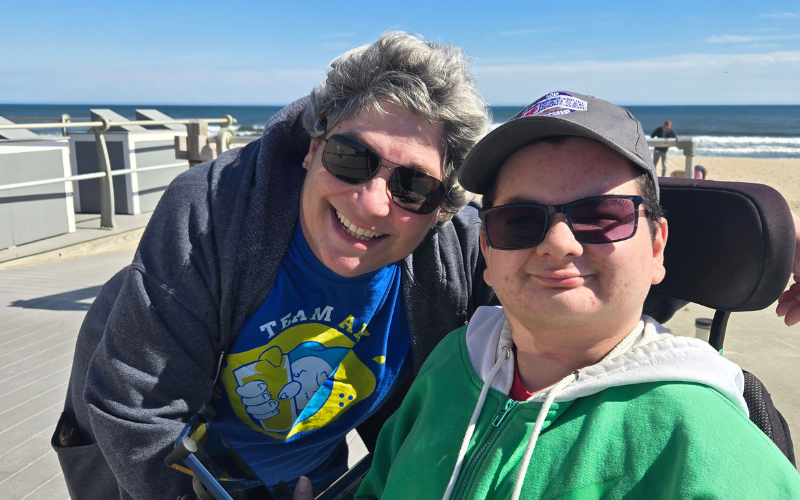
Tony beat neuroblastoma as a young child but was left with long term side effects.
When Alex’s Lemonade Stand Foundation (ALSF) Founder Alex Scott was diagnosed with neuroblastoma in 1997, doctors didn’t know her cancer was driven by ALK – a mutation that fuels the development of neuroblastoma cells. And even if they did, there wasn’t a treatment in 1997 for ALK-driven neuroblastoma.
But today, there are effective treatment options for that type of neuroblastoma, thanks to research.
Over the past two decades, incredible progress has been made in the treatment of neuroblastoma. From identifying targets and developing drugs to leveraging genetic testing... Read More
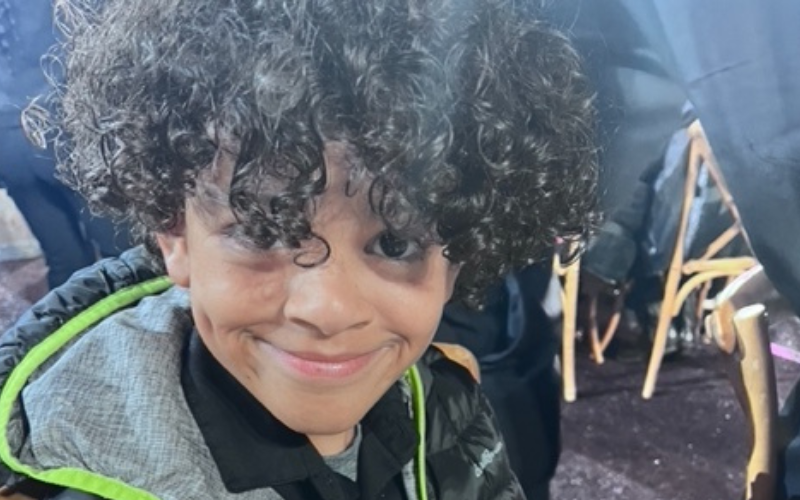
If you ask 9-year-old Quincy what he would do with $100,000, he’ll tell it to you straight:
“I don’t think that is a responsible thing to ask me,” he’d say with bright eyes shining under a full head of curls. Quincy is just an ordinary 9-year-old, after all. His concerns are playing sports (baseball, swimming, martial arts), messing with coding to make video games better, and finding some time on Saturday mornings to lay on his couch (which might be one of his favorite things).
When you ask Quincy’s parents what they’d do with $100,000 they have a ready answer: fund... Read More
Pages