
The testes are the male reproductive organs. These oval glands are each approximately 2 inches long when fully mature. They are enclosed in a sac called the scrotum. Each testicle contains hundreds of densely coiled tubes (called seminiferous tubules) that contain spermatogonia—cells that produce sperm. The creation of sperm depends on the presence of adequate FSH (follicle-stimulating hormone) and healthy germ cells.
Leydig cells, found throughout the testicles, produce the hormone testosterone. Leydig cell function is prompted by LH (luteinizing hormone). These two cell lines—spermatogonia and Leydig cells—react very differently to treatment for cancer.
Damage to the testes
The testes can be damaged by radiation, chemotherapy, or surgery. The following information is about primary testicular failure, when treatment affects the testes themselves.
Radiation: spermatogonia
Spermatogonia are very sensitive to radiation and any dose of radiation may cause abnormally low or permanent sterility.
When sperm production is permanently affected, reduced testicular size and softer testicles result. Survivors who have likely received these doses are:
Boys treated for leukemia that is found in the testes
Survivors of hematopoietic stem cell transplant whose conditioning included radiation
Boys or adolescents with Hodgkin lymphoma treated with inverted-Y radiation.
Boys or adolescents with soft tissue sarcomas in the thigh, groin, or abdomen
If damage to sperm-producing cells occurs before puberty, the first clue that there is a problem occurs when the testes do not grow to a normal size during puberty. These boys develop secondary sexual characteristics (e.g., facial hair, deepening voice), but the testes remain small and soft. If the teen is rendered infertile by treatment after puberty, his testicles may become softer and smaller over time.
Radiation: Leydig cells
Compared to spermatogonia, testosterone-producing Leydig cells are very resistant to radiation. Whereas male sperm production is affected quickly by small amounts of radiation, it takes approximately 2000 or more cGy to the testes before Leydig cells start to become damaged. However, each survivor is different and close follow-up is important.
Cranial or craniospinal radiation given to children with ALL or brain tumors (other than those near the pituitary) rarely causes damage to testosterone production.
Chemotherapy
Sperm production. Chemotherapy can be devastating to the production of sperm, although sperm production may resume months to years after chemotherapy ends. The drugs that most affect sperm are the alkylating agents most often used in current protocols including, cyclophosphamide, ifosfamide, and many stem cell transplant conditioning treatments. The higher the doses of these drugs, the more damage may occur to the sperm-producing cells.
Chemotherapy used to treat boys with leukemia does not usually affect sperm production unless high doses of cyclophosphamide were given. Vinblastine, bleomycin, and etoposide used to treat other cancers can temporarily affect sperm production, but the majority of survivors, over time, recover the ability to produce sperm. However, each survivor is different so close follow up is important. See the current Long-Term Follow-Up Guidelines for Survivors of Childhood, Adolescent, and Young Adult Cancers, Version 6.0 (October 2023)http://www.survivorshipguidelines.org/.
Abnormalities in puberty or sexual function. Patients treated during adolescence can have low testosterone and high LH. There can also be a lowering of libido despite a normal testosterone level. For a survivor experiencing any abnormalities in puberty or sexual functioning, a thorough evaluation may help determine the cause and identify solutions. Many adolescents and men with low-functioning Leydig cells feel much better when taking supplemental testosterone.
It is vital to determine whether a survivor has primary or secondary testicular failure so he can get the best treatment. Each survivor is different, so close follow-up is important. If there is no damage to the testes but they have been shut down by the brain, they can be stimulated with hormones to produce sperm.
Secondary testicular failure. Spermatogonia and Leydig cell functioning can also be affected by damage to the HPA as well; this is called secondary failure. It’s vital to determine whether a survivor has primary or secondary testicular failure so he can get the best treatment. High doses of radiation to the HPA in the brain can shut down both Leydig cells and sperm production. However, each survivor is different, so close follow up is important. If there is nothing wrong with the testes but they have been shut down by the brain, they can be stimulated with hormones to produce sperm.
Surgery
Surgery can also affect sexual functioning in males. If a survivor had an abdominal lymph node dissection, side effects can include impotence or inability to ejaculate. For more information, see Chapter 15, Kidneys, Bladder, and Genitals. Surgery for a brain tumor involving the hypothalamus or pituitary also can disrupt the functioning of the testes.
Table 10-4. Symptoms of primary and secondary testicular failure |
|
|---|---|
Primary testicular failure* |
Secondary testicular failure** |
• absence/change in libido (sex drive) • low or absent sperm count • increased breast tissue size |
• lack of secondary sex characteristics • lack of facial and pubic hair • decreased testes size • decreased libido • impotence (lack of erection) • low testosterone levels |
*If damage directly to the testes; **damage to the HPA |
|
Signs and symptoms of damage to the testes
Signs and symptoms of damage to the testes depend on age during treatment. If testosterone producing Leydig cells are damaged before puberty, boys usually do not go into puberty. If the Leydig cells are damaged after puberty, survivors may lose interest in sex and may become impotent.
If the sperm-producing cells are damaged before puberty, the testes won’t grow as large as they normally would have. Survivors will have testosterone, so they will look like a normal male and can function sexually like a normal male, but the testes will be smaller and softer. If sperm-producing cells are damaged after puberty, sexual functioning will be unaffected, but the survivor may not produce sperm. Therefore, function is normal, but the survivor may be infertile.
Screening and detection for damage to testes
Survivors should receive a thorough annual evaluation if they received chemotherapy or radiation that might have damaged their testes. Evaluation by an endocrinologist is important and an examination may include the following:
A complete history, including height, weight, and age when puberty occurred in all members of the family. The history should rule out other causes of precocious or delayed puberty. A careful physical evaluation, including evaluation of facial hair, underarm hair, pubic hair, length of penis, and size of testes.
Analysis of a semen sample and a discussion about ejaculations, erections, and libido and about fertility
Growth plotted on a chart to evaluate growth progression
LH, FSH, and testosterone levels
Prolactin level if radiation was given to the HPA
Survivors should receive a thorough annual evaluation if they received chemotherapy or radiation that might have damaged their testes. Evaluation by an endocrinologist is important.
Recovery of sperm production sometimes occurs 10 or more years after treatment. These tests should be repeated yearly for men who have a low sperm count.
Medical management of deficient or lack of sperm-production
Male survivors who do not produce sperm as a result of direct damage to the testes must simply wait to see if sperm production recovers over time. They should have periodic sperm counts and evaluations of testosterone production, as testosterone replacement may improve a sense of well-being.
Even if adolescents have no sperm production after treatment ends, it can return. Healthcare providers should explain if new information in reproductive technology, such as intracytoplasmic sperm injection, and testicular tissue preservation is available for survivors who might want to father a child. Survivors should not assume that they are infertile; they should use birth control (including condoms) unless they are trying to become a parent. Survivors can find more information on fertility options at a local reproductive endocrinologist. (See Chapter 3, Relationships for more information about sexuality, birth control, marriage/life partnerships/fertility).
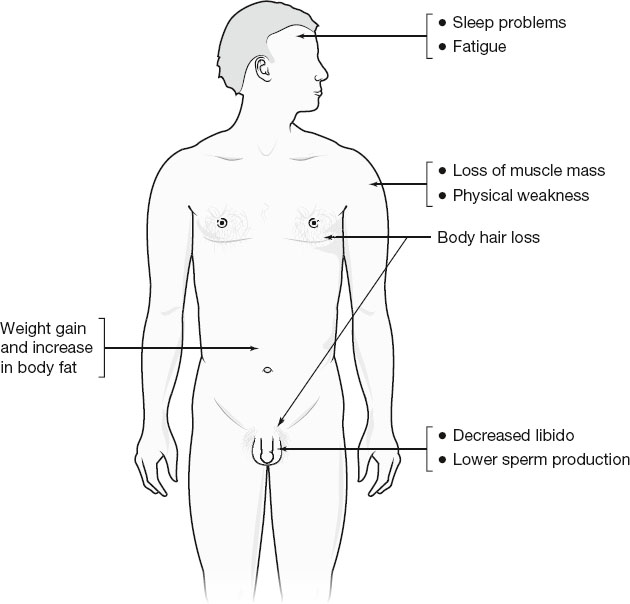
FIGURE 10-4. Common signs of low testosterone (©Alexʼs Lemonade Stand Foundation, 2025)
A medical illustration of a human body highlighting symptoms associated with low testosterone levels. Labels point to different regions with corresponding symptoms: near the head, sleep problems and fatigue; on the chest, loss of muscle mass, physical weakness, and body hair loss; around the abdomen, weight gain and increase in body fat; and near the genital area, decreased libido and lower sperm production.
Adolescents or adults with primary Leydig cell damage need replacement testosterone. A testosterone patch or injection into the muscle every 2 to 4 weeks are the most common methods of supplementation for males with low testosterone. The treatment begins at the time of normal puberty. Boys with Leydig cell damage should be treated by a pediatric endocrinologist with experience treating survivors of childhood cancer. Common signs of low testosterone are important to consider.
Medical management also includes counseling to help cope with the possibility of late effects on sexuality and fertility.
High-dose radiation to the HPA can cause hyperprolactinemia. Treatment with bromocriptine can sometimes resolve the symptoms, which include decreased libido, impotence, and low testosterone. Talk to your doctor about this medication and further information. Children or adolescents with tumors in the pelvis who receive high doses of abdominal radiation may have nerve damage that affects sexual functioning. Even with hormone replacement, these survivors sometimes continue to have sexual problems. Working closely with a pediatric endocrinologist and urologist will help survivors achieve the best possible outcome given their treatment.
Counseling. Medical management also includes counseling to help cope with the possibility of late effects on sexuality and fertility. For infertile males, counseling is helpful to explore other ways to become a parent (such as using donor sperm or adoption). Also, education about the difference between infertility (the inability to father a child biologically) and impotence (the inability to have or maintain erections) is tremendously important. The majority of male survivors of childhood cancer are able to have satisfying sexual relationships. (See Chapter 3, Relationships sections on sexuality, marriage and life partners, fertility.)
Table of Contents
All Guides- Acknowledgements
- Contributors
- Foreword
- Preface
- 1. Survivorship
- 2. Emotions
- 3. Relationships
- 4. Navigating The System
- 5. Staying Healthy
- 6. Genetic Testing And Childhood Cancer
- 7. Diseases
- 8. Fatigue
- 9. Brain And Nerves
- 10. Hormone-Producing Glands
- 11. Eyes And Ears
- 12. Head And Neck
- 13. Heart And Blood Vessels
- 14. Lungs
- 15. Kidneys, Bladder, And Genitals
- 16. Liver, Stomach, And Intestines
- 17. Immune System
- 18. Muscles And Bones
- 19. Skin, Breasts, And Hair
- 20. Subsequent Malignancies
- About The Editors